Mortar and pestle

Definition and stakes

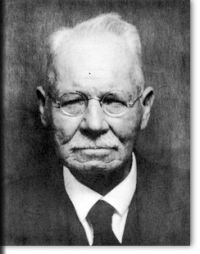
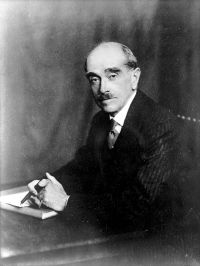
Portrait of Warren K. Moorehead Warren K. Moorehead,  The stone age in North America… (1910)

“ From the collection of B. H. Young, Louisville, Kentucky. Rare forms of pestles from the Cumberland and Tennessee valleys.
What we should consider the simplest form of mortar is a question. Of course, the mortar, rather than the pestle, is the essential thing. Man must have something in which to grind or crush his food, and it did not matter to him whether the receptacle was wood, stone, or leather so long as it served the purpose, and it was of no consequence to him whether his pestle was a round stone, an oval, an elongated pestle or bell-shaped, or a flat mano stone.
”
Source: Gutenberg

Thomas K. Ford,  The Apothecary in Eighteenth-Century Williamsburg

“ The mortar and pestle, traditional symbol of the apothecary’s calling and often used as the sign of his shop, was to be found in Williamsburg shops in many sizes and materials. The largest recorded was a bell-metal mortar and iron pestle belonging to Dr. Thomas Wharton and weighing 168 pounds. Wharton also owned a large marble mortar and pestle, two small ones of marble, and a “Porphrey Stone & Muller.” Later in the century, as the medical profession learned that toxic quantities of metal dust could come from the use of metal mortars, ceramic and glass became widely used. ”
Source: Gutenberg

Portrait of C. J. S. Thompson C. J. S. Thompson,  The Mystery and Romance of Alchemy and Pharmacy

“ The great bell-shaped mortar, which was of considerable capacity, usually stood, mounted on a solid block of wood, near the centre of the shop, the huge pestle, three feet or more in length, being suspended from a long wooden spring beam by a chain and ring. One can readily picture the youthful apprentice, clad in jerkin and trunk hose, exercising his muscles with the ponderous pestle, and with what mingled feelings he would essay the task of pounding half a hundred-weight of aloes to begin his day’s work and give him an appetite for his midday meal. ”
Source: Gutenberg

Get perspective with Kwize: daily news enlightened by great literature