
Mustard poultice

Definition and stakes

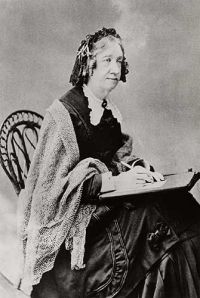
Portrait of Isabella Beeton Isabella Beeton,  Mrs. Beeton's Book of Household Management (1907)

“ The simplest, the cleanest, and most efficacious for ordinary purposes, we believe to be the following: Take a piece of soft flannel, dip it in boiling water, wring it out immediately, and sprinkle one side of it with fresh flour of mustard. The flannel should be laid upon a hot plate while being sprinkled, that no warmth may be lost. Another way of making a mustard poultice is by spreading a large tablespoonful of mustard, made in the ordinary way as if for table, on a piece of soft linen, and warming it before the fire when it is to be applied. ”
Source: Wikisource

Sarah Josepha Buell Hale,  Mrs. Hale's Receipts for the Million

“ Plasters and Poultices—Mustard Plasters.—Take a sufficient quantity of bread crumbs finely rubbed, add mustard in proportion to the required strength; form a poultice of the proper consistency, by adding vinegar or water. Dr. Wood thinks water preferable, as he is of the opinion that vinegar destroys an essential property of the mustard. Mustard employed for this purpose should be whole grain, fresh as can be procured, and bruised or mashed in a mortar, or by any other convenient means. When mustard cannot be procured, horse radish leaves may be substituted ”
Source: Gutenberg

Robert Kemp Philp,  Enquire Within Upon Everything

“ Poultices are usually made of linseed meal, oatmeal, or bread, either combined with water or other fluids; sometimes they are made of carrots, charcoal, potatoes, yeast, and linseed meal, mustard, &c., but the best and most economical kind of poultice is a fabric made of sponge and wool felted together, and backed by Indian rubber, called "spongio piline." ”
Source: Gutenberg

Get perspective with Kwize: daily news enlightened by great literature