Negative (photography)

Definition and stakes

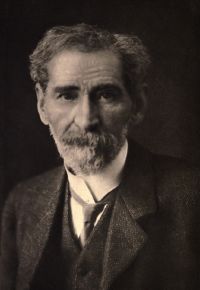
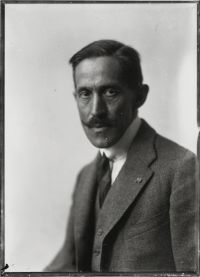
Portrait of P. H. Emerson P. H. Emerson,  Naturalistic Photography for Students of the Art

“ It is needless to say that in all mechanical processes the very best negative is required to work from, for although a great deal may be done in the biting to counteract any defects in the negative, yet, if the negative is wanting in any particular, the after-result is sure to suffer. And here I wish to say that by the ‘very best negative’ I do not mean the ordinary photographer’s beau-ideal, but a negative which gives a true impression of the object photographed, and is full of the ‘quality’ and subtlety of nature. ”
Source: Gutenberg

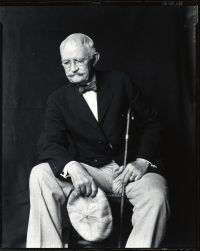
A. Horsley Hinton,  A Handbook of Illustration

“ The function of the negative is, it will be remembered, to protect certain portions of the film from light, and to freely admit light where the image is, hence the denser portions of the negative must be very nearly, if not absolutely, opaque, and the image as nearly transparent as possible; thus giving what photography proper has taught us to abhor—a black and white print. ”
Source: Gutenberg

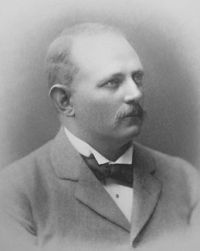
Portrait of P. H. Emerson P. H. Emerson,  Naturalistic Photography for Students of the Art

“ The amount of a landscape to be included in a picture is far more difficult to determine than the amount of oxidizer or alkali to be used in the developer.
“Flat” and “weak” negatives. Pay no heed to the average photographer’s remarks upon “flat” and “weak” negatives. Probably he is flat, weak, stale and unprofitable; your negative may be first-rate, and probably is if he does not approve of it.
Bad wood-cutters. Do not allow bad wood-cutters and second-rate process-mongers to produce libels of your work.
”
Source: Gutenberg

Get perspective with Kwize: daily news enlightened by great literature