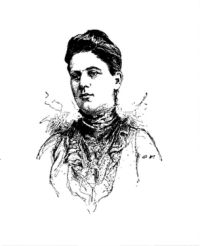
 A. Mary F. Robinson,
The fields of France
(1905)
“ But they found in the peasant a sleepless suspicion, a silent energy and cunning, which thwarted all their efforts, and which, if they persisted, would often turn to violence, maintaining the rights of the people by the horrors of a Jacquerie. The first half of the nineteenth century witnessed more than one peasants’ revolt. And if some plot of the reactionaries should one day place again upon the throne of France a son of the House of Orleans, or a Bonaparte Pretender, be sure the croquants of the South, the Jacques of the North, would defend their liberties again as violently to-morrow. ”