Political satire

Definition and stakes

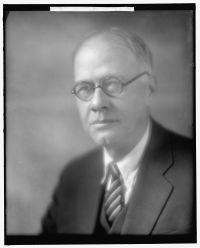
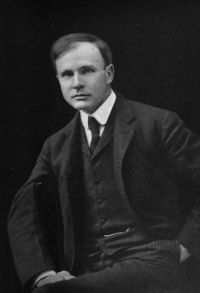
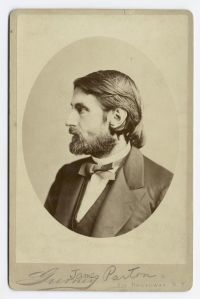
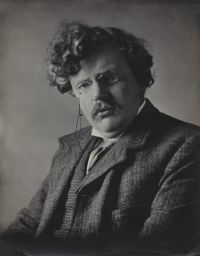
Portrait of G. K. Chesterton G. K. Chesterton All Things Considered

Is it really true that our English political satire is so moderate because it is so magnanimous, so forgiving, so saintly? Is it penetrated through and through with a mystical charity, with a psychological tenderness? Do we spare the feelings of the Cabinet Minister because we pierce through all his apparent crimes and follies down to the dark virtues of which his own soul is unaware? Do we temper the wind to the Leader of the Opposition because in our all-embracing heart we pity and cherish the struggling spirit of the Leader of the Opposition?
Source: Gutenberg

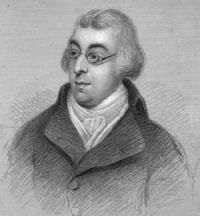
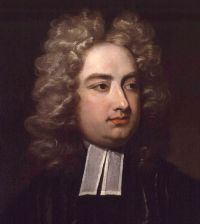
Thomas Wright A History of Caricature and Grotesque in Literature and Art

As we approach the end of the sixteenth century, the struggle of parties became more political than religious, but not less bitter than before. The literature of the age of that celebrated “Ligue,” which seemed at one time destined to overthrow the ancient royalty of France, consisted chiefly of libellous and abusive pamphlets, but in the midst of them there appeared a work far superior to any purely political satire which had yet been seen, and the fame of which has never passed away.
Source: Gutenberg

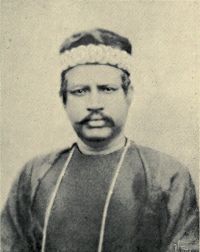
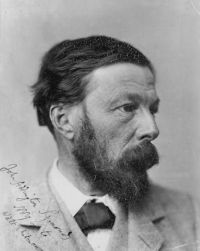
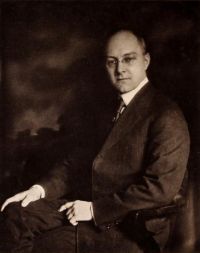
Portrait of Dinabandhu Mitra Dinabandhu Mitra Nil Durpan (1924)

What is to become of our vaunts in India of free speech, and political liberty and the rights which men acquire under our happy and liberal constitution, if this kind of general satire—granting it to be a satire—this species of discussion of public interest in popular shapes is to be dealt with as a matter of libel and scandal? In one breath we bestow the privileges of open debate upon the natives and punish them for the exercise of it in the next. There was nothing whatever in the publication that could be tortured into a libel, to the satisfaction of the reason of an English Jury in England.
Source: Wikisource

Get perspective with Kwize: daily news enlightened by great literature