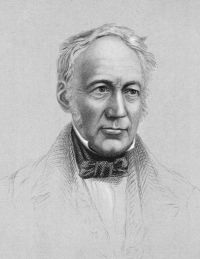
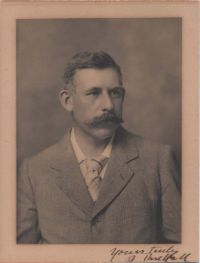
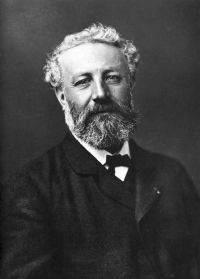
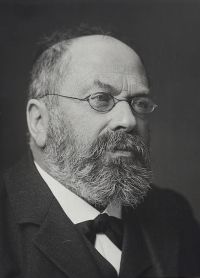
Potassium chlorate (KClO₃) is an inorganic compound and powerful oxidizing agent, historically crucial in industries such as pyrotechnics, medicine, and chemical manufacturing. Its synthesis involves processes like the salt metathesis of sodium chlorate and potassium chloride, or the electrolysis of potassium chloride solutions. Scientists such as Mendeleyev described its breakdown into oxygen and potassium chloride, while Hodgkinson and Ingram observed its formation as a byproduct in chlor-alkali processes.
Encyclopaedia Britannica entries outlined its use in matches and oxygen production, as well as its medical applications. Edward Hart highlighted its catalytic breakdown with manganese dioxide, demonstrating its practical value. Although it has fallen out of use in many areas due to safety issues, potassium chlorate still holds importance in specialized applications, ranging from historical gunpowder to contemporary hazardous uses, emphasizing its dual legacy as both a scientific achievement and a warning about chemical risks.