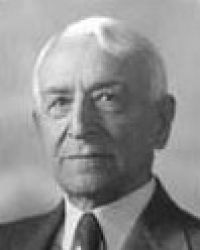
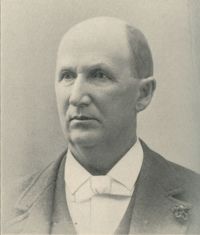
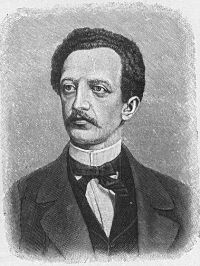
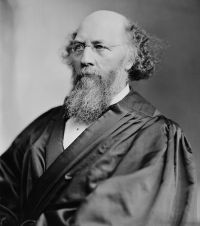
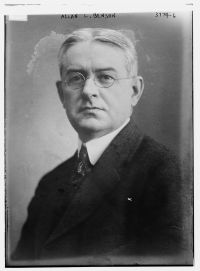
Public property refers to assets owned collectively by a state or population for communal use, distinct from private property through its inalienability and regulation by state authority. Authors like Scott Nearing emphasized its division alongside private property and the principle of eminent domain, while Frank A. Fetter pointed out its differing legal treatment, such as roads as public versus wagons as private.
Edward Douglass White observed its transfer between governments, and Oliver Wendell Holmes Jr. recognized its role in public benefit. These perspectives highlight public property’s dual function as a legal and economic institution, shaped by state oversight, historical background, and discussions over ownership and access.