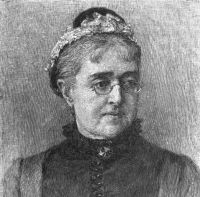
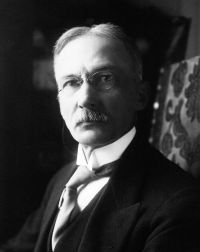
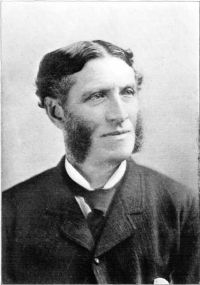
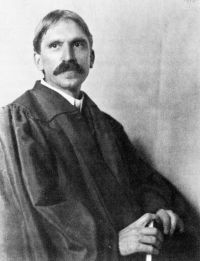
A result, defined as the final consequence of a sequence of actions or events, serves as a central concept across disciplines, encompassing outcomes ranging from scientific findings to societal changes. Authors such as George Eliot emphasized its role in evaluating human behavior, while Herbert Spencer highlighted the complexity of outcomes within social and natural systems.
Claude C. Washburn regarded results as crucial indicators of value, and Charles Francis Adams connected them to historical development. These viewpoints collectively reveal results as both quantifiable conclusions and reflections of complex processes, linking practical achievements with philosophical exploration.