Syrinx

Definition and stakes

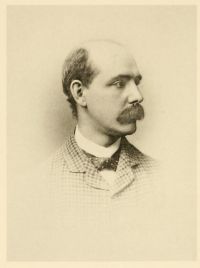
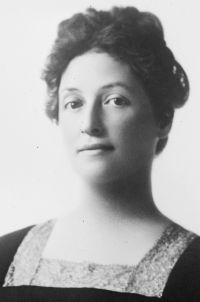
Portrait of Josephine Preston Peabody Josephine Preston Peabody,  Old Greek Folk Stories Told Anew

“ Begging her to listen, Pan followed; and Syrinx, more and more frightened by the patter of his hoofs, never heeded him, but went as fast as light till she came to the brink of the river. Only then she paused, praying her friends, the water-nymphs, for some way of escape. The gentle, bewildered creatures, looking up through the water, could think of but one device.
Just as the god overtook Syrinx and stretched out his arms to her, she vanished like a mist, and he found himself grasping a cluster of tall reeds. Poor Pan!
”
Source: Gutenberg

Jean Lang,  A Book of Myths

“ But to Syrinx, who knew no fear, Fear came at last. She was returning one evening from the shadowy hills, untired by the chase that had lasted for many an hour, when, face to face, she met with one whom hitherto she had only seen from afar. Of him the other nymphs spoke often. Who was so great as Pan?—Pan, who ruled the woods. None could stand against Pan. Those who defied him must ever come under his power in the end. ”
Source: Gutenberg

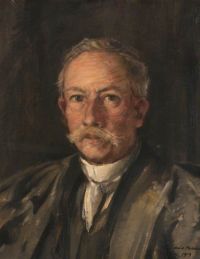
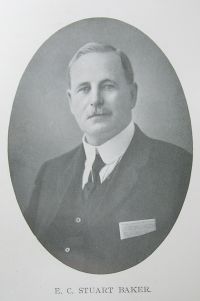
Portrait of Edward Charles Stuart Baker Edward Charles Stuart Baker,  The Fauna of British India, including Ceylon and Burma… (1922)

“ In the Diacromyodi these muscles are inserted into both ends of the semi-rings. They may be limited always to one pair as in Clamatores, to two as in Oligomyodi and some Tracheophonæ or there may be as many as seven pairs as in the Oscines. But the structure of the syrinx itself, as apart from its musculature, has been, and still is, a feature of importance in the classification of the Passeres—as witness the Tracheophonæ. Briefly three types of syrinx are recognized—the Tracheo-bronchial, the Tracheal and the Bronchial, the last two being derivatives of the first. ”
Source: Wikisource

Get perspective with Kwize: daily news enlightened by great literature