Tertiary period

Definition and stakes

Young Folks' Library, Volume XI…

“ As the historian recognizes Ancient History, the Middle Ages, and Modern History as distinct phases in the growth of the human race, so they distinguished between what they called the Primary period, when, as they believed, no life stirred on the surface of the earth; the Secondary or middle period, when animals and plants were introduced, and the land began to assume continental proportions; and the Tertiary period, or comparatively modern geological times, when the physical features of the earth as well as its inhabitants were approaching more nearly to the present condition of things. ”
Source: Gutenberg

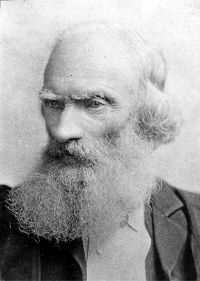
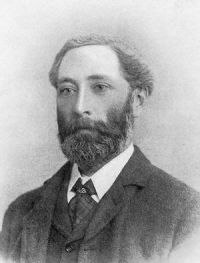
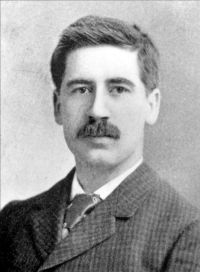
Portrait of William Boyd Dawkins William Boyd Dawkins,  Early Man in Britain and His Place in the Tertiary Period (1880)

“ Pleiocene stage of the Tertiary period, characteristics of, 9; group of the Tertiary strata, 10; period, biological and physical changes in north- western Europe before the arrival of man, 70-93; strata of Britain, 71; grouping of, 72; age, geography of Britain in the, 72; (map) , 73; mountains, 74; rivers, 75; (lower) mammalia of France, 79; flora, 77; climate, 78; mammalia in Britain, 84; (upper) mammalia of France, 80; of Italy, 83; (upper) mammalia (fig.) , 86; man, evidence of, in France and Italy unsatisfactory, 90. ”
Source: Wikisource

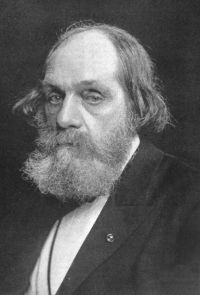
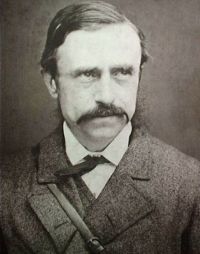
Portrait of Edward Bellamy Edward Bellamy,  Looking Backward From 2000 to 1887… (1888)

“ Your workshops were filled with children and old men, but we hold the period of youth sacred to education, and the period of maturity, when the physical forces begin to flag, equally sacred to ease and agreeable relaxation. The period of industrial service is twenty-four years, beginning at the close of the course of education at twenty-one and terminating at forty-five. ”
Source: Wikisource

Get perspective with Kwize: daily news enlightened by great literature