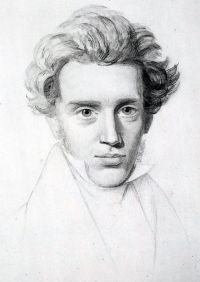
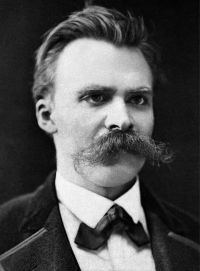
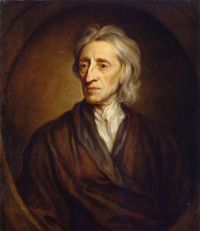
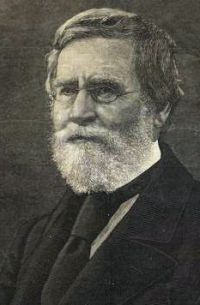
Untruth, a concept closely linked to falsehood, deception, and the alteration of reality, has been examined by philosophers and writers to explore its moral, epistemological, and existential consequences. Søren Kierkegaard criticized the crowd for representing untruth, contrasting it with the disciplined quest for truth, while Friedrich Nietzsche associated untruth with societal control, arguing that it frequently disguises itself as moral rhetoric.
Edwin Seward Puller differentiated untruth from intentional falsehood, portraying it as a result of ignorance or misunderstanding. John Brown mourned humanity’s widespread separation from truth, linking it to the “spirit of error.” These viewpoints together highlight untruth as a complex phenomenon, both an individual shortcoming and a systemic influence shaping human perception.
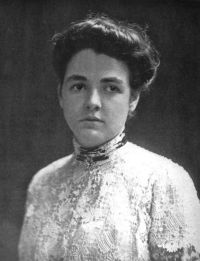 Margaret Horton Potter,
The flame-gatherers
(1904)
Margaret Horton Potter,
The flame-gatherers
(1904)