Dauphiness of France

Definition and stakes

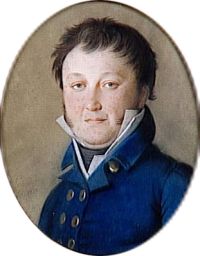
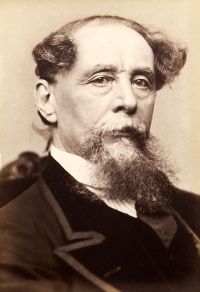
Portrait of Charles Dickens Charles Dickens A Child's History of England

Thus, France was now in this terrible condition, that it had in it the party of the King’s son, the Dauphin Louis; the party of the Duke of Burgundy, who was the father of the Dauphin’s ill-used wife; and the party of the Armagnacs; all hating each other; all fighting together; all composed of the most depraved nobles that the earth has ever known; and all tearing unhappy France to pieces.
The late King had watched these dissensions from England, sensible (like the French people) that no enemy of France could injure her more than her own nobility.
Source: Gutenberg

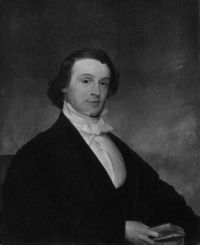
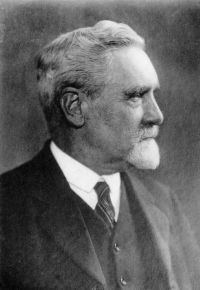
Portrait of Edmund Burke Edmund Burke Reflections on the Revolution in France (1790)

It is now sixteen or seventeen years since I saw the queen of France, then the Dauphiness, at Versailles; and surely never lighted on this orb, which she hardly seemed to touch, a more delightful vision. I saw her just above the horizon, decorating and cheering the elevated sphere she just began to move in,—glittering like the morning-star, full of life and splendor and joy. Oh! what a revolution! and what an heart must I have, to contemplate without emotion that elevation and that fall!
Source: Gutenberg

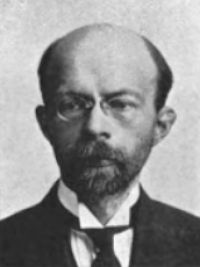
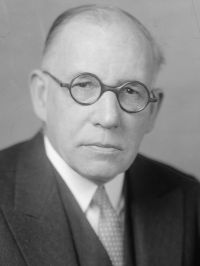
Portrait of Ernest Daudet Ernest Daudet Which? Or, Between Two Women

What France had endured for half a century every one knows. Every one also knows that, becoming weary of poverty, of the tyranny of the powerful, of the weakness of the king, of the squandering of her treasure and of the intrigues of those in authority, and compelled to find a remedy within herself, the country demanded the convocation of the États Généraux. The government at last decided to accede to the entreaties that were heard on every side; and it was during the early part of the year 1789 that France was called upon to elect her representatives
Source: Gutenberg

Get perspective with Kwize: daily news enlightened by great literature