Fair Labor Standards Act

Definition and stakes

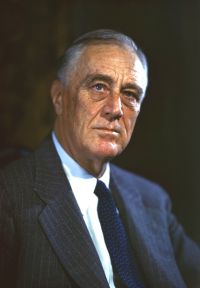
Portrait of Franklin D. Roosevelt Franklin D. Roosevelt,  The Fireside Chats of Franklin Delano Roosevelt

“ After many requests on my part the Congress passed a Fair Labor Standards Act, commonly called the Wages and Hours Bill. That act— applying to products in interstate commerce—ends child labor, sets a floor below wages and a ceiling over hours of labor.
Except perhaps for the Social Security Act, it is the most far- reaching, the most far-sighted program for the benefit of workers ever adopted here or in any other country. Without question it starts us toward a better standard of living and increases purchasing power to buy the products of farm and factory.
”
Source: Gutenberg

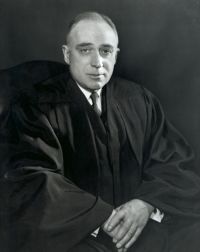
Frank Murphy,  Jewell Ridge Coal Corporation v…

“ The Fair Labor Standards Act was not designed to codify or perpetuate those customs and contracts which allow an employer to claim all of an employee's time while compensating him for only a part of it. Congress intended, instead, to achieve a uniform national policy of guaranteeing compensation for all work or employment engaged in by employees covered by the Act. ”
Source: Wikisource

The Constitution of the United States of America…

“ No doubt there are philosophers who would argue, what is implicit in the decision now rendered, that in a complex modern society there is such interdependence of its members that the activities of most of them are necessary to the activities of most others. But I think that Congress did not make that philosophy the basis of the coverage of the Fair Labor Standards Act. It did not, by a 'house-that-Jack-built' chain of causation, bring within the sweep of the statute the ultimate causa causarum which result in the production of goods for commerce. ”
Source: Gutenberg

Get perspective with Kwize: daily news enlightened by great literature