French classicism

Definition and stakes

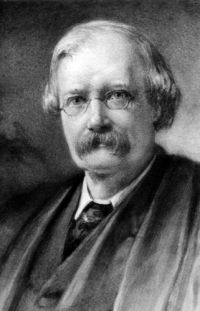
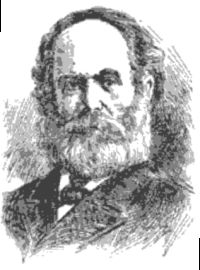
Portrait of William Cleaver Wilkinson William Cleaver Wilkinson,  Classic French Course in English

“ Such is the true mission of romanticism,—not to break the mould that classicism sought to impose on literary production, but to expand that mould, make it more pliant, more free. A mould, for things living and growing, should be plastic in the passive, as well as in the active, sense of that word,—should accept form, as well as give form. Romanticism will accordingly have won its legitimate victory, not when it shall have destroyed classicism and replaced it, but when it shall have made classicism over, after the law of a larger life. ”
Source: Gutenberg

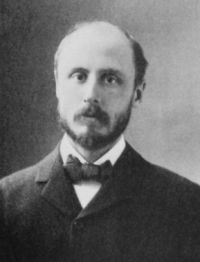
Portrait of William Cleaver Wilkinson William Cleaver Wilkinson,  French Classics

“ For 276 neither classicism nor romanticism alone concludes the ultimate theory of literature.
Classicism criticises; romanticism creates. Classicism enjoins self-control; romanticism encourages self-indulgence. Classicism is mold; romanticism is matter. Classicism is art; romanticism is nature. Classicism is law; romanticism is life. Romanticism is undoubtedly first and indispensable; but so, not less, classicism is indispensable, though second. Neither, in short, can get along without the other. But Victor Hugo represents romanticism.
”
Source: Gutenberg

The Art of Music, Vol. 02 (of 14…

“ For a large part of the century France held a dominating [Pg 129] place in drama, literature, and the opera. The art of the theatre and of letters had become merely a suave obedience to rule, and even the genius of a Voltaire, with his dramatic instinct and boldness, could not lift it entirely out of the frigid zone in which it had become fixed. Germany and England, however, were preparing to overthrow the traditions of French classicism. Popular interest in legends, folk-lore, and ballads revived. ”
Source: Gutenberg

Get perspective with Kwize: daily news enlightened by great literature