Greek city-state

Definition and stakes

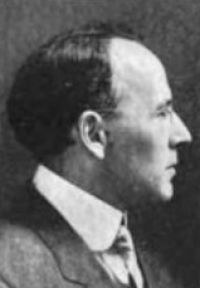
Portrait of H. G. Wells H. G. Wells,  The Outline of History: Being a Plain History of Life and Mankind

“ The first of these limitations was the obsession of the Greek mind by the idea of the city as the ultimate state. In a world in which empire had followed empire, each greater than its predecessor, in a world through which men and ideas drove ever more loosely and freely, in a world visibly unifying even then, the Greeks, because of their peculiar physical and political circumstances, were still dreaming impossibly of a compact little city state, impervious to outer influences, valiantly secure against the whole world. ”
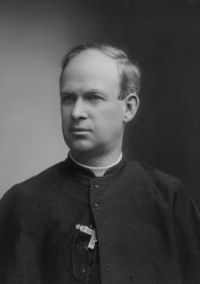
Source: Gutenberg

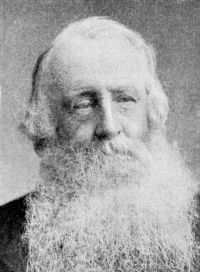
G. Lowes Dickinson,  The Greek View of Life

“ But it is impossible not to perceive that with the decline of the Greek city-state something passed from the world which it can never cease to regret, and the recovery of which, if it might be, in some more perfect form, must be the goal of its highest practical endeavours. Immense, no doubt, is the significance of the centuries that have intervened, but it is a significance of preparation ”
Source: Gutenberg

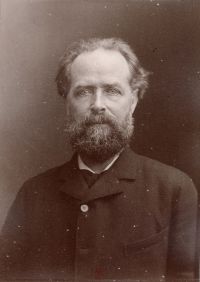
Dorothy Mills,  The book of the ancient Greeks (1925)

“ All communities are always governed in one of three ways: either by one man, or by a few men, or by many men, and the Greeks tried all these ways, until they found the one that answered best to their ideals of what a city-state should be. All states did not {72} develop in the same way, but one stands out from the others as having most nearly reached the Greek ideal. That state was Athens. ”
Source: Gutenberg

Get perspective with Kwize: daily news enlightened by great literature