Moorish art

Definition and stakes

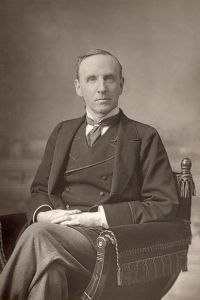
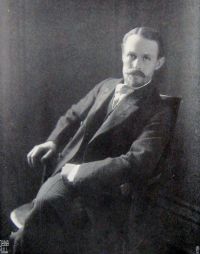
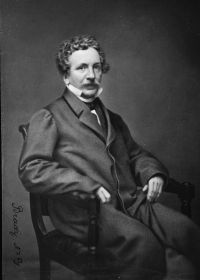
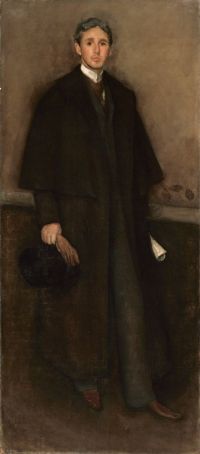
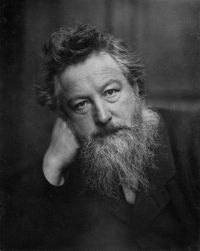
Portrait of Albert Frederick Calvert Albert Frederick Calvert,  Moorish Remains in Spain

“ I have striven to do justice to the subject in this direction, not without hope of achieving my purpose, but with a vast consciousness of the fact that, neither by camera, nor brush, nor by the pen, can one reflect, with any fidelity, the effects obtained by the Moorish masters of the Middle Ages. In their art we find a sense of the mysterious that appeals to one like the glint of moonlight on running water; an intangible spirit of joyousness that one catches from the dancing shadows of leaves upon a sun-swept lawn ”

Source: Gutenberg

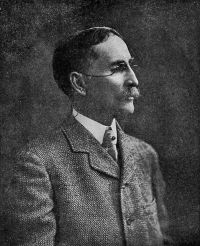
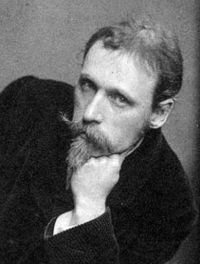
Edmondo De Amicis,  Spain, v. 2 (of 2)

“ It is impossible to retain in one's mind any part of that prodigious work: you might return a hundred times to look at it, but in reality it would only remain before your eyes as a tantalizing blur of blue, red, green, golden, and luminous shades of colors, or a very intricate piece of embroidery continually and rapidly changing in color and design. Only from the ardent and tireless imagination of the Moors could such a miracle of art have issued. ”
Source: Gutenberg

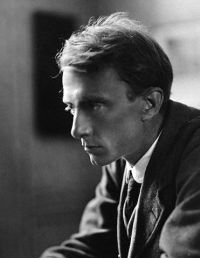
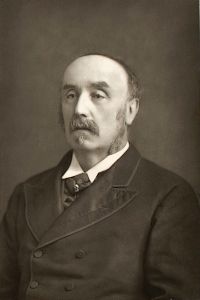
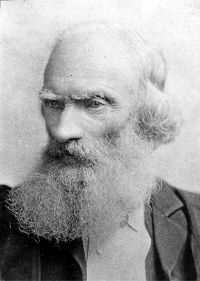
Portrait of F. Max Müller F. Max Müller,  Chips from a German Workshop, Volume 3

“ Why should poetry be less free than painting to seek for what is beautiful wherever a human eye can discover, wherever human art can imitate it? No one blames the painter if, instead of giddy peaks or towering waves, he delineates on his canvas a quiet narrow valley, filled with a green mist, and enlivened only by a gray mill and a dark brown mill-wheel, from which the spray rises like silver dust, and then floats away, and vanishes in the rays of the sun. Is what is not too common for the painter, too common for the poet? ”
Source: Gutenberg

Get perspective with Kwize: daily news enlightened by great literature