Rousseauism

Definition and stakes

1911 Encyclopædia Britannica (1911)

“ In the Émile is presented a purely fantastic scheme of education based on a psychology of development so crude as to be absolutely false, and producing a young man utterly unable to guide his own life or to control his emotions and impulses. Rousseauism is, indeed, in its essence the application to education of the doctrines of naturalism—the philosophy which regards human life as a mere continuation of physical process, and consequently as determined wholly by environment. So Rousseau would abolish all moral training and leave the child to the reactions of the physical world upon his actions. ”
Source: Wikisource

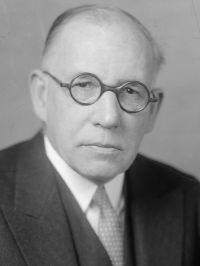
Portrait of Leslie Stephen Leslie Stephen,  Studies of a Biographer (1902)

“ In the same way the political Anglomaniacs in France saw that in some things England was ahead of them, and aspired to transplant the British Constitution bodily. In literature, Rousseau was attracted by a style which was breaking with the old conventions, and was admired for its frank utterance of common sentiments and freedom in dealing with common objects and simple human emotions. He loved the 'individualism' which meant an expression of a man's natural feelings without deference to pretentious authority. ”
Source: Wikisource

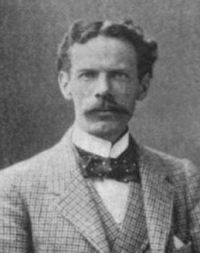
Portrait of Carl Schurz Carl Schurz,  Speeches, correspondence and political papers of Carl Schurz (1913)

“ Rousseau's dreamy philosophy had moved the sentimental with the beauties of his restored state of nature, and inflamed the imagination of the young with the picture of an ideal republic. Everybody had become a philosopher, and every philosopher thought it his office to deny some of the things which formerly had been taken for granted, and to smile at some of the beliefs he himself had formerly respected. Society was fairly ringing with ironical laughter at itself. ”
Source: Wikisource

Get perspective with Kwize: daily news enlightened by great literature