Temple of Jupiter

Definition and stakes

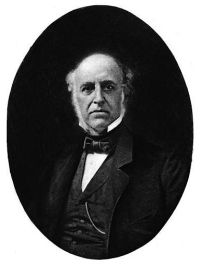
W. Warde Fowler,  Social life at Rome in the Age of Cicero

“ The temple of Jupiter Optimus Maximus, with his companions Juno and Minerva, was in a special sense the religious centre of the State and its dominion. Whatever view he might take of the gods and their cults, every Roman instinctively believed that this great Jupiter, above all other deities, watched over the welfare of Rome, and when a generation later Virgil placed the destiny of Rome's mythical hero in the hands of Jupiter, every Roman recognised in this his own inherited conviction. ”
Source: Gutenberg

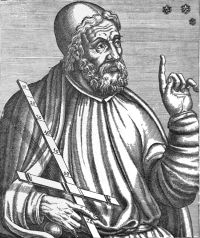
Henry Wood,  Victor Serenus: A Story of the Pauline Era

“ The easy-going life of the great majority, to outward appearance, seemed like a long-drawn-out poetic revery. Gayety and love of pleasure and show glistened on the surface of the complex river of life that flowed smoothly along.
The temple of Jupiter occupied one side of the forum, and a straggling and variable procession passed in and out, who came to pay their devotions to the chief god of the Roman state. In plain sight of the temple, fronting on a narrow street which led from the forum, and on the same side, was a plain, square building, somewhat resembling a Jewish synagogue.
”
Source: Gutenberg

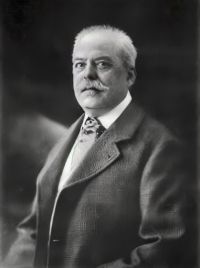
Portrait of Rodolfo Amedeo Lanciani Rodolfo Amedeo Lanciani,  Pagan and Christian Rome

“ The Temple of Jupiter is represented in ancient monuments of the class called pictorial reliefs. I have selected for my illustration one of the panels from the triumphal arch of Marcus Aurelius, near S. Martina, because it contains a good sketch of the reliefs of the pediment, with Jupiter seated between Juno and Minerva. The temple itself is most carelessly drawn, the number of columns being reduced by one half, that is, from eight to four. ”
Source: Gutenberg

Get perspective with Kwize: daily news enlightened by great literature