Blacking

Definition and stakes

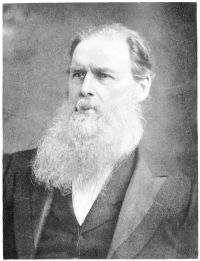
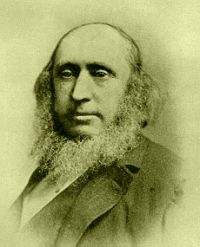
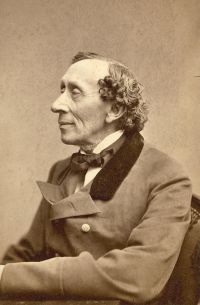
Portrait of H. C. Andersen H. C. Andersen,  The Sand-Hills of Jutland

“ The blacking became the dark foundation of enmity, and so they parted; but what he had demanded from the clerk he also demanded from the world—real blacking; and he always got its substitute, grease; so he turned his back upon all mankind, and became a hermit. But a hermitage coupled with a livelihood is not to be had in the midst of a large city except up in the steeple of a church. ”
Source: Gutenberg

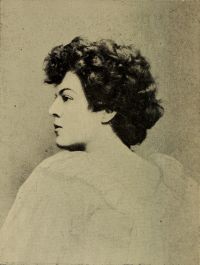
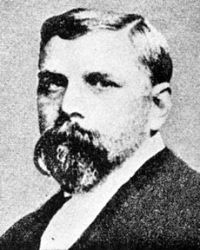
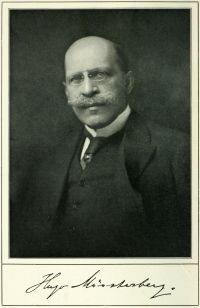
Portrait of Hugo Münsterberg Hugo Münsterberg,  The Americans

“ The problem of getting shoes blacked would be serious were it not for the several million negroes in the country and the heavy immigration from Southern Europe which does not get the instant prejudice against shoe-polish. But the theoretical problem of why servants will gladly work very hard, but strike when it comes to blacking shoes, is still not solved. There is possibly some vague idea that blacking shoes is a symbol of grovelling at some one’s feet, and therefore involves the utmost sacrifice of one’s self-respect. ”
Source: Gutenberg

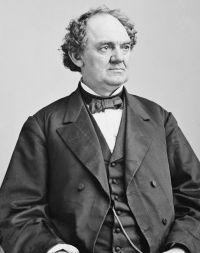
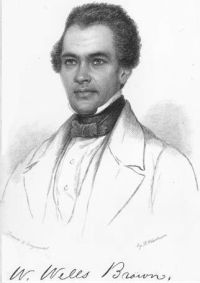
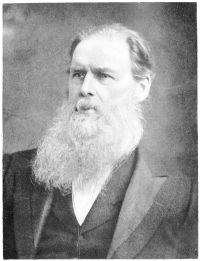
Portrait of P. T. Barnum P. T. Barnum,  The Humbugs of the World

“ In writing of modern humbugs, however, I shall sometimes have occasion to give the names of honest and respectable parties now living, and I felt it but just that the public should fully comprehend my doctrine, that a man may, by common usage, be termed a “humbug,” without by any means impeaching his integrity.
Speaking of “blacking-makers,” reminds me that one of the first sensationists in advertising whom I remember to have seen, was Mr. Leonard Gosling, known as “Monsieur Gosling, the great French blacking-maker.” He appeared in New York in 1830.
”
Source: Gutenberg

Get perspective with Kwize: daily news enlightened by great literature