Boar's head

Definition and stakes

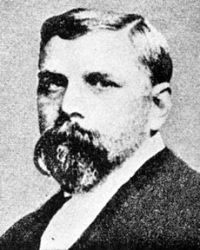
Portrait of Robert Barr Robert Barr,  A Wild Boar Rampant (1907)

“ A long, simultaneous sigh was drawn, to the company of a rattle and shifting of pikes, whereupon the boar, whom everyone had forgotten, let forth a roar like that of a wounded elephant, and its huge head swung from side to side, as if indecisive which rank to attack. Bernard raised his open hand and brought it down lightly on the brute's forehead, whereupon it fell to the floor as if poleaxed, and lay there motionless, to all appearance dead. With a frank smile Bernard looked up and down the ranks of soldiery. ”
Source: Wikisource

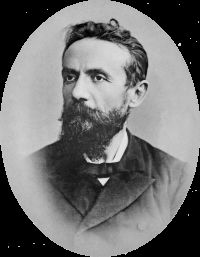
Phoebe Allen,  Peeps at Heraldry

“ A boar is blazoned "armed of his tusk" or "armed and langued," when his tongue is shown of a different tincture. Moreover, as Mr. Fox-Davies [pg 44] reminds us in his interesting "Guide to Heraldry," an English boar's head is described as "couped" or erased "at the neck," but the Scotch herald would blazon the same charge as "couped and erased" "close."
The Earl of Vere takes a boar for his crest, in allusion to his name, verre being the Latin for boar.
”
Source: Gutenberg

Mary Poague Pringle,  Yule-Tide in Many Lands

“ The Christmas log next yeare,
And where 'tis safely kept, the fiend
Can do no mischiefe theere."
The boar's head held the principal place of honor at the dinner. So during September and October, when the boar's flesh was at its best, hunters with well-trained packs of boar-hounds set out to track this savage animal. They attacked the boar with spears, or surrounded him and drove him into nets. He was a ferocious antagonist to both dogs and men, and when sore pressed would wheel about, prepared to fight to the death.
”
Source: Gutenberg

Get perspective with Kwize: daily news enlightened by great literature