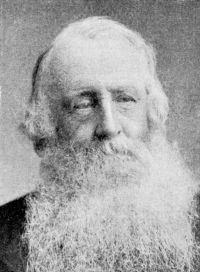
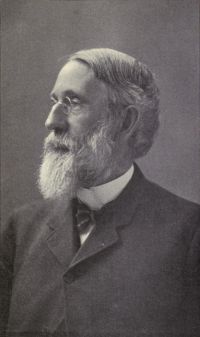
Cohabitation, an arrangement in which two unmarried individuals reside together, often within an intimate relationship, has emerged as a significant social phenomenon. From Lewis Henry Morgan’s examination of its role in societal structures to Annie Besant’s critique of legal restrictions on marital unions, writers have analyzed its consequences.
John Dewey associated cohabitation with the development of lasting partnerships, while Samuel Philips focused on practical aspects such as financial security. These viewpoints highlight cohabitation’s dual function as both a stepping stone toward marriage and an independent family structure, influenced by evolving social norms and personal decisions.
 Lewis Henry Morgan,
Ancient Society
Lewis Henry Morgan,
Ancient Society