Common language

Definition and stakes

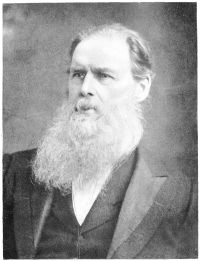
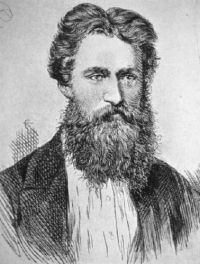
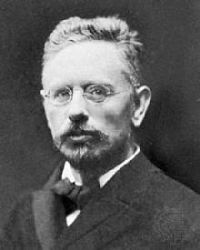
Portrait of A. H. Sayce A. H. Sayce,  Introduction to the science of language… (1880)

“ The circumstances that determine the common nature of a society determine also its common utterance, and this common utterance we call its language. It embodies all the past life and history of the community that speaks it; each phase in the development of its speakers is reflected in it as in a mirror, and its worn-out words and forms are so many crystallized embodiments of dead and bygone thought, so many fossil relics, as it were, of the past strata of social growth. The facts of language—its sentences and its words—are the result of the action of general laws and conditions ”
Source: Gutenberg

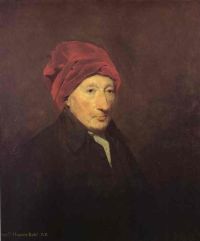
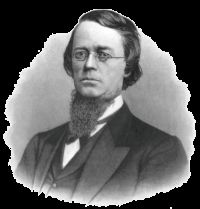
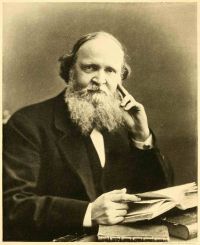
Portrait of William Dwight Whitney William Dwight Whitney,  Language and the Study of Language (1867)

“ But even in respect to the more intimate and sacred part of language, the words and phrases of universal and every-day use, the community confers some measure of authority upon those who have a just title to it, upon great masters in the art of speech, upon speakers whose eloquence carries captive all hearts, upon writers whose power in wielding the common instrument of thought is felt and acknowledged through all ranks. ”
Source: Wikisource

John R. Dos Passos,  The Anglo-Saxon Century and the Unification of the English-Speaking People

“ How can we overrate in this respect the enormous value of a common language—an {109} influence which, according to the use made of it, may be either healing and remedial, unifying and progressive—the source of all that is most beneficial and delightful, or else jarring, discordant, retroactive, and pernicious. Ought it ever to be forgotten that to the mother country belongs the glory of originating and forming this great language? ”
Source: Gutenberg

Get perspective with Kwize: daily news enlightened by great literature