Cultural diffusion

Definition and stakes

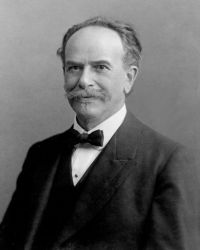
Portrait of Franz Boas Franz Boas,  The Methods of Ethnology (1920)

“ The difference between the two directions of study may perhaps best be summarized by the statement that American scholars are primarily interested in the dynamic phenomena of cultural change, and try to elucidate cultural history by the application of the results of their studies; and that they relegate the solution of the ultimate question of the relative importance of parallelism of cultural development in distant areas, as against worldwide diffusion, and stability of cultural traits over long periods to a future time when the actual conditions of cultural change are better known. ”
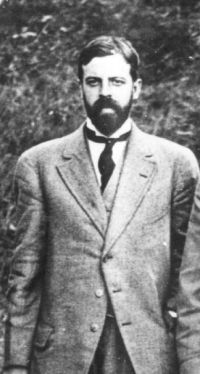
Source: Wikisource

Portrait of A. L. Kroeber A. L. Kroeber,  Anthropology (1923)

“ The last few examples may give the impression that cultural diffusion takes place largely in regard to names and numbers. They may arouse the suspicion that the intrinsic elements of inventions and accomplishments are less readily spread. This is not the case. In fact it has happened time and again in the history of civilization that the substance of an art or a knowledge has passed from one people to another, while an entirely new designation for the acquisition has been coined by the receiving people. ”
Source: Gutenberg

Donald A. Mackenzie,  Ancient Man in Britain

“ No less important than the study of their physical structure is the cultural history of peoples. The real spirit of a population is revealed by its social and industrial achievements, and by its vi customs and beliefs, rather than by the shape of the heads and members of its units. The revival of the belief in the widespread diffusion of culture in early times has, as one of its many important effects, directed attention to the physical peculiarities of the mixed populations of important foci of civilization throughout the world. ”
Source: Gutenberg

Get perspective with Kwize: daily news enlightened by great literature