Current (electricity)

Definition and stakes

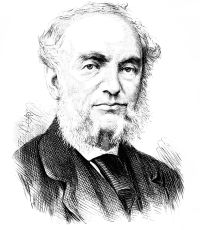
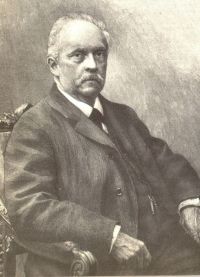
Portrait of Elisha Gray Elisha Gray,  Electricity and Magnetism

“ Science divides electricity into two kinds—static and dynamic. Static comes from a Greek word, meaning to stand, and refers to electricity as a stationary charge. Dynamic is from the Greek word meaning power, and refers to electricity in motion. When Franklin made his celebrated kite experiment, the electricity came down the string, and from the key on the end of the string he stored it in a Leyden jar. While the electricity was moving down [Pg 47] the string it was dynamic, but as soon as it was stored in the Leyden jar it became static. Current electricity is dynamic. ”
Source: Gutenberg

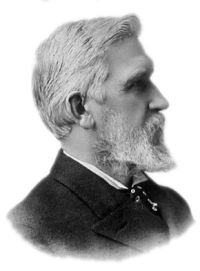
Portrait of Elisha Gray Elisha Gray,  Electricity and Magnetism

“ There is still another way of generating electricity besides those that we have named; which are friction, chemical action, and the magneto-electric mode of generating a current. Electricity may be generated by heat. If we connect antimony and bismuth bars together and apply heat at the junction of the metals and then connect the free ends of the two bars to a galvanometer, it will indicate a current. These pairs can be multiplied, and in this way increase the voltage or pressure, and, of course, increase the current, if we assume that there is resistance in the circuit to be overcome. ”
Source: Gutenberg

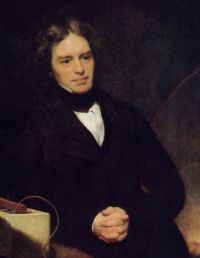
Portrait of Michael Faraday Michael Faraday,  Experimental Researches in Electricity…

“ In a current, whatever form the discharge may take, or whatever part of the circuit or current is referred to, as much positive force as is there exerted in one direction, so much negative force is there exerted in the other. If it were not so we should have bodies electrified not merely positive and negative, but on occasions in a most extraordinary manner, one being charged with five, ten, or twenty times as much of both positive and negative electricity in equal quantities as another. ”
Source: Gutenberg

Get perspective with Kwize: daily news enlightened by great literature