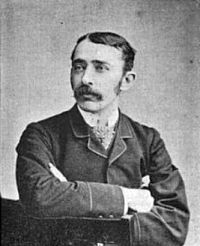
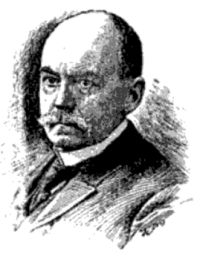
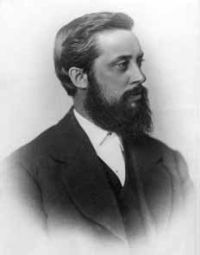
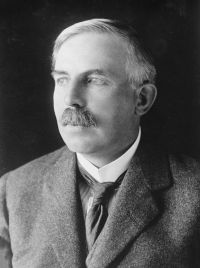
Electrotyping is a historical technique in printing and metallurgy that involves producing metal copies of text or images through electrical means. This method, which arose with progress in electroplating and electrolysis, employed molds made of wax and lead to fabricate resilient printing plates. Authors such as H. C. Forster emphasized its accuracy in capturing intricate details, while John Ambrose Fleming connected it to wider electrochemical theories.
The procedure, although complex, linked conventional typography with developing scientific approaches, as demonstrated by its use in newspaper production and experimental electrolytic cells. Its influence continues in related areas such as stereotyping and engraving, underscoring its function as a bridge between craft-based and industrial techniques.