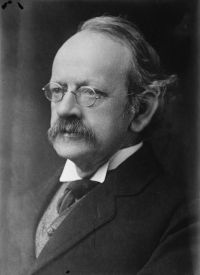
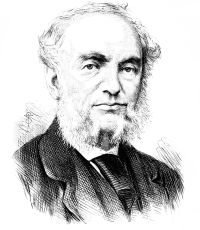
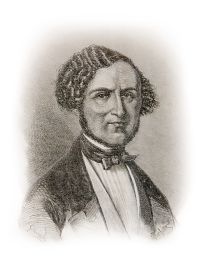
A galvanometer is an electromechanical device used to measure electric current by detecting the movement of a pointer caused by a magnetic field produced by the current. Stemming from Hans Christian Ørsted’s 1820 discovery of electromagnetic deflection, early galvanometers developed into calibrated ammeters, allowing for accurate current measurement. Writers like Herbert Tibbits pointed out their applications in medicine, while John Ambrose Fleming focused on their sensitivity in mirror-based configurations.
Joseph John Thomson outlined their significance in experimental physics, and others investigated their use in telegraphy and medical diagnostics. Contemporary versions, such as the D’Arsonval type, continue to play a crucial role in areas ranging from laser beam control to hard disk technology, highlighting their lasting importance in both historical and modern scientific measurement.