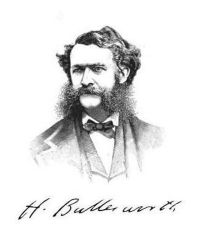
The concept of "first cause" refers to the original, uncaused origin of all existence, central to debates on causality, creation, and the nature of the universe. Philosophers and theologians have long examined its implications, with William Whewell analyzing its role in causal sequences, Joseph Pohle highlighting its broad impact on all actions, and Thomas Hardy depicting it as a mechanical, impersonal force.
Bertrand Russell challenged the need for a singular cause in physical processes, while Augustus Hopkins Strong addressed Mill’s perspectives on the intricacies of causation. These viewpoints together emphasize the first cause’s lasting importance in connecting metaphysical inquiry with empirical study.
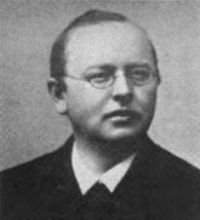 Joseph Pohle,
Grace, Actual and Habitual: A Dogmatic Treatise
Joseph Pohle,
Grace, Actual and Habitual: A Dogmatic Treatise