Human antiquity

Definition and stakes

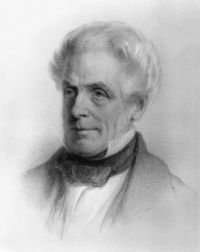
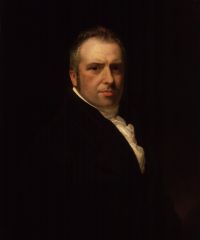
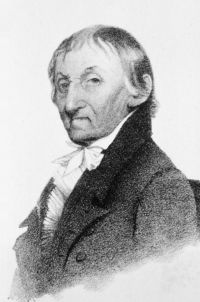
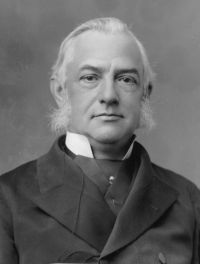
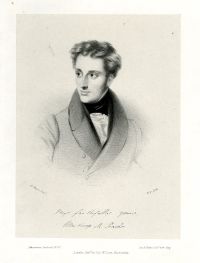
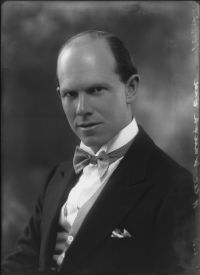
Portrait of Walter Pater Walter Pater,  Greek Studies: a Series of Essays

“ The budding of new art, the survival of old religion, at isolated centres of provincial life, where varieties of human character also were keen, abundant, asserted in correspondingly effective incident— this is what irresistible fancy superinduces on historic details, themselves meagre enough. The sentiment of antiquity is indeed a characteristic of all cultivated people, even in what may seem the freshest ages, and not exclusively a humour of our later world. ”
Source: Gutenberg

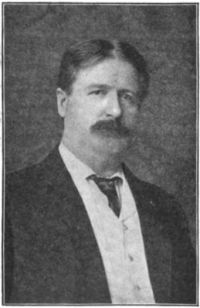
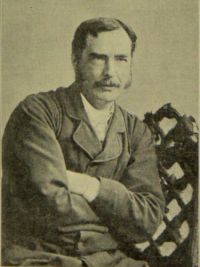
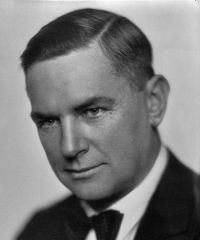
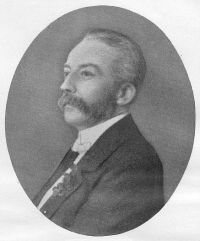
Arthur E. P. Brome Weigall,  The glory of the Pharaohs (1923)

“ Moreover, history hands down to us that most precious of human assets—our conscience. It is history that arms us individually with the sword and buckler of instinctive orderliness; and every antiquity or ancient work of art serves as a reminder to us of our responsibilities to God and man. History is the silver thread which passes from a man back to his Creator; and woe be to him who breaks that thread.
In the above remarks antiquities have been regarded simply as the relics of an earlier epoch; but{79} let us now ask ourselves what is the value of antiquities regarded as works of art.
”
Source: Gutenberg

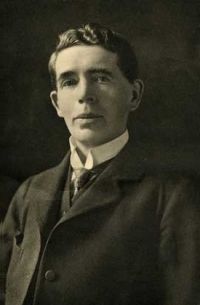
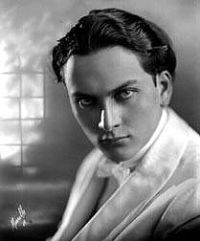
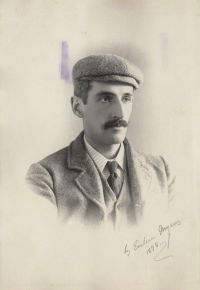
Portrait of Alec Waugh Alec Waugh,  Myself When Young: Confessions

“ It would be worth while, indeed, discussing whether the classical scholar of some old foundation derives the sense of antiquity, that knowledge that we are parts of a pattern, the threads of which pass out on either side of us, which forms so human, so tolerant a basis for his ideas and his actions, more from the study of Homer and Catullus than from the tranquillising presence on every side of him of old buildings, gothic arches and cloisters, and curious quadrangles. ”
Source: Gutenberg

Get perspective with Kwize: daily news enlightened by great literature