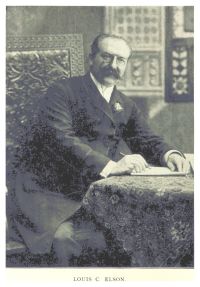
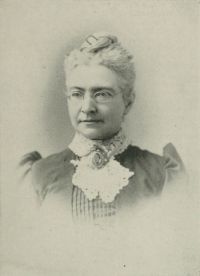
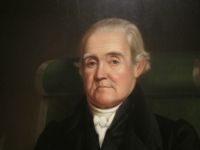
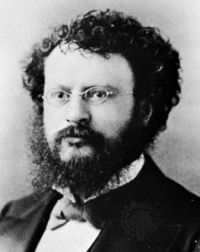
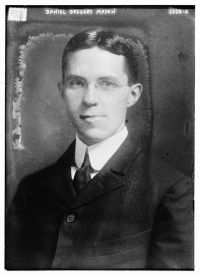
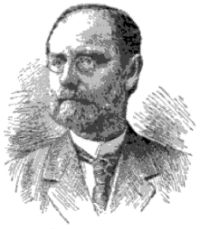
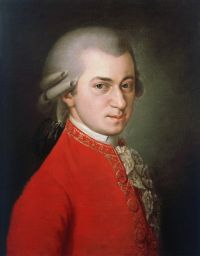
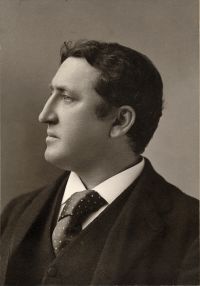
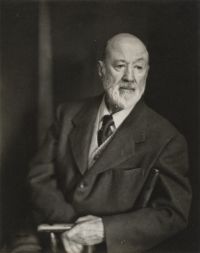
Instrumental music, defined as music without vocal elements, has long served as a cornerstone of artistic expression, emphasizing the interplay of instruments and structural design. Authors such as Louis Charles Elson traced its earliest origins in natural sounds, while Tito Vignoli celebrated its unique ability to evoke emotion through sound alone. W. S. B.
Mathews emphasized its role in encouraging musical innovation, focusing on harmonic and rhythmic development. These perspectives highlight how instrumental music, though often accompanying vocal works, evolved into a distinct art form, capable of conveying profound ideas on its own. Its journey from supportive accompaniment to independent expression reflects its lasting importance in shaping musical thought.