Manorial court

Definition and stakes

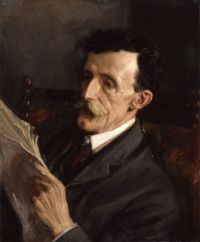
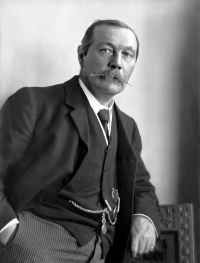
Portrait of Paul Vinogradoff Paul Vinogradoff,  Villainage in England: Essays in English Mediaeval History

“ We find as an important manorial arrangement the custom to 'apportion' the rights of common to the tenements, that is to decide in the manorial Court, mostly according to verdicts of juries, how many head of cattle, and of what particular kind, may be sent to the divers pasture-grounds of the village by the several holdings. ”

Source: Gutenberg

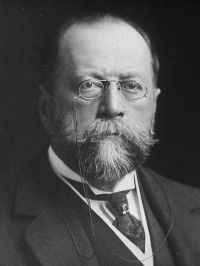
Portrait of Paul Vinogradoff Paul Vinogradoff,  Villainage in England: Essays in English Mediaeval History

“ The title by which land is held according to manorial custom is derived from communal authority quite as much as from the lord's grant. Without stepping out of the feudal evidence into historical inquiry, we find that civil arrangements of the peasantry are based on acts performed through the agency of the steward, and before the manorial court, which has a voice in the matter and vouches for its validity and remembrance. ”
Source: Gutenberg

S. A. Reilly,  Our Legal Heritage: King AEthelbert - King George III, 600 A.D. - 1776

“ In some, the sheriff had no right of entry. So Edward I created the writ of Quo Warranto [by what right] , by which all landholders exercising manor or franchise jurisdictions must bring their ancestors' charters before a traveling justice for the Common Pleas for examination and interpretation as to whether they had a charter or were going beyond their charters and infringing upon the jurisdiction of the Royal Court. As a result, many manor courts were confined to manorial matters and could no longer view frankpledge or hear criminal cases, which were reserved for the royal courts. ”
Source: Gutenberg

Get perspective with Kwize: daily news enlightened by great literature