Musical measure

Definition and stakes

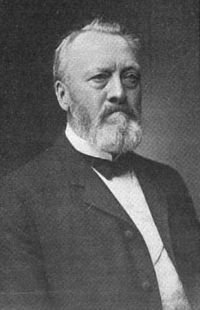
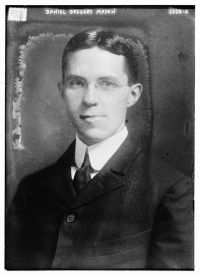
Portrait of Daniel Gregory Mason Daniel Gregory Mason,  From Grieg to Brahms: Studies of Some Modern Composers and Their Art

“ But even more striking than the clearness of his harmony is the trenchant perspicuity of his rhythm. The sense of rhythm is perhaps the prime criterion of intellectuality in a composer. For just as determinations of accent and measure, such as occur in the dances of the most primeval savages, were undoubtedly the earliest means of formulating the cries and wails of emotion which underlie all musical expression, so throughout musical history rhythm has been the chief formative or rationalizing agent, and a vivid sense of it has always characterized the more intellectual musicians. ”
Source: Gutenberg

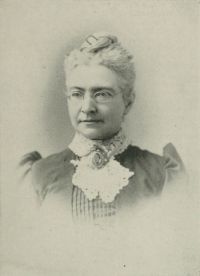
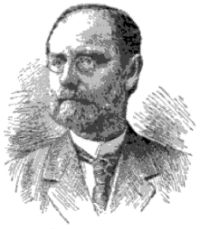
Portrait of Percy Goetschius Percy Goetschius,  Lessons in Music Form

“ As well might the carpenter or architect venture to dispense with scale, compass and square in their constructive labors, as that the composer should neglect beat, measure and rhythm, in his effort to realize a well-developed and intelligible design in the whole, or any part, of his composition. The beats and measures and phrases are the barley-corn, inch and ell of the musical draughtsman, and without these units of measurement and proportion, neither the vital condition of Symmetry nor the equally important condition of well-regulated Contrast could be clearly established. ”
Source: Gutenberg

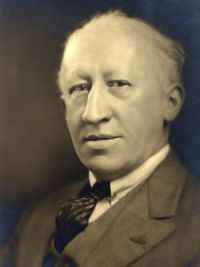
Portrait of W. S. B. Mathews W. S. B. Mathews,  A Popular History of the Art of Music

“ This progress has gone on until the present time, when two particulars of our music are exactly recorded—the pitch and the rhythm. The exact relation of every tone to the key note is ascertainable from our musical notation, and the precise degree of rhythmic importance appertaining to each tone according to its place in measure and in the larger rhythms. ”
Source: Gutenberg

Get perspective with Kwize: daily news enlightened by great literature