Musical theme

Definition and stakes

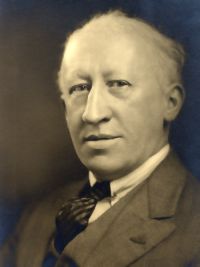
Irwin Edman,  Human Traits and their Social Significance

“ When musical taste has passed from a sentimental intoxication with the sensuous beauty of the sounds themselves, the beauty we admire is primarily beauty of form or structure. The musical connoisseur likes to trace the recurrence of a theme in a symphony, its deviations and disappearances, its distribution in the various choirs of wood-wind, brass, and strings, its interweaving with other themes, its resilient, surprising, and apposite emergences, its pervasive penetration of the total scheme. ”
Source: Gutenberg

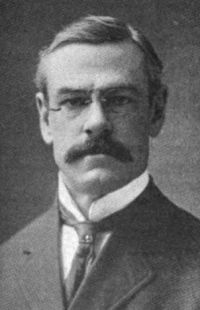
Portrait of Henry Osborn Taylor Henry Osborn Taylor,  The Mediaeval Mind (1911)

“ In the
fusing of melody and words into an utterance of song—at last into a strophe—music worked potently, shaping the composition of the lines, moulding them to rhythm, insisting upon sonorousness in the words, promoting their assonance and at last compelling them to rhyme so as to meet the stress, or mark the ending, of the musical periods. Thus the exigencies of melody helped to evoke the finished verse, while the words reciprocating through their vocal capabilities and through the inspiration of their meaning, aided the evolution of the melodies.
”
Source: Wikisource

Thomas Carlyle,  Sartor Resartus, and On Heroes… (1901)

“ If your delineation be authentically musical, musical, not in word only, but in heart and substance, in all the thoughts and utterances of it, in the whole conception of it, then it will be poetical; if not, not.—Musical: how much lies in that! A musical thought is one spoken by a mind that has penetrated into the inmost heart of the thing; detected the inmost mystery of it, namely the melody that lies hidden in it; the inward harmony of coherence which is its soul, whereby it exists, and has a right to be, here in this world. All inmost things, we may say, are melodious ”
Source: Wikisource

Get perspective with Kwize: daily news enlightened by great literature