Pathogenicity

Definition and stakes

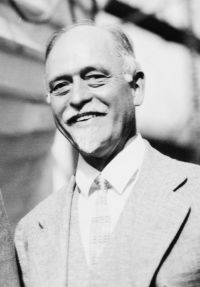
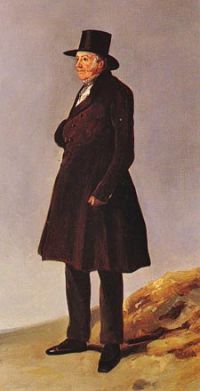
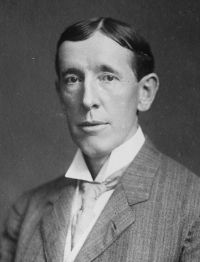
Portrait of Woods Hutchinson Woods Hutchinson,  Preventable Diseases

“ The essence of disease consists, not in either the kind or the degree of the process concerned, but only in its [Pg 14] relations to the general balance of activities of the organism, to its "resulting in discomfort, inefficiency, or danger," as one of our best-known definitions has it. Disease, then, is not absolute, but purely relative; there is no single tissue-change, no group even of changes or of symptoms, of which we can say, "This is essentially morbid, this is everywhere and at all times disease." ”
Source: Gutenberg

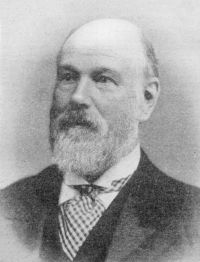
Donald William Charles Hood,  The Thruston speech on the progress of medicine 1880 (1880)

“ Such a division helps us to appreciate what an enormous number of so-called diseases originate in a previous attack of more or less acute character; and further it should act as an incentive to the physician to pay all the greater attention to that period which immediately follows any of those acute attacks, which so frequently, as their result, leave some slight spot of organic change, the rapid growth of which leads to irreparable degeneration of tissue, ending sooner or later in the death of the sufferer. ”
Source: Wikisource

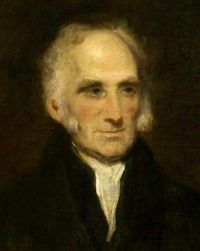
L. H. Watson,  Popular Science Monthly (1885)

“ It will easily be seen that the diseases which disturb the formerly evenly balanced organism tend toward what pathologists call destructive metamorphosis. Blood-changes, tissue-changes, and secretory changes, are subjecting us to constantly varying standards of health. ”
Source: Wikisource

Get perspective with Kwize: daily news enlightened by great literature