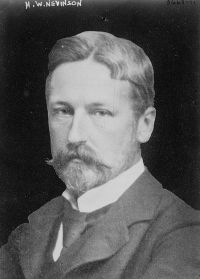
Socage refers to a medieval landholding system in which land was held in exchange for specific duties or payments, differing from feudal obligations that required military service. Historians such as John Timbs and William Sharp McKechnie emphasize its legal intricacies, noting its development from a lesser form of tenure to a predominant system in England, including varied holdings such as fee-farm and burgage.
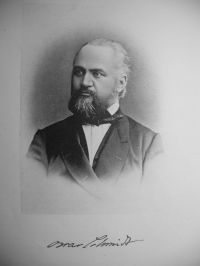
Eduard Oscar Schmidt connects socage to lingering aspects of servitude in early civilizations, while others, like Samuel Scoville, indirectly reveal its social consequences through depictions of communal life. The concept therefore combines legal, economic, and societal aspects, demonstrating a complex relationship between land ownership and shifting feudal frameworks.
 John Timbs,
Knowledge for the Time
John Timbs,
Knowledge for the Time