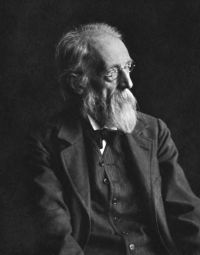
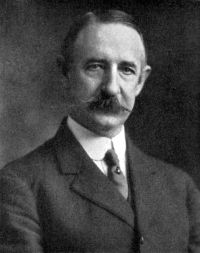
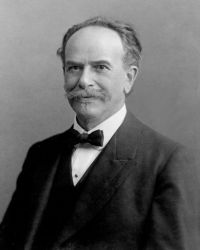
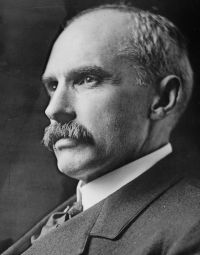
A table of contents is a structured list of a book’s sections, arranged according to their order, acting as a navigational guide for readers. From ancient Roman texts to modern digital documents, this component has evolved to improve accessibility. Authors like Clarence Stratton emphasized its placement and usefulness, while Theodor Nöldeke focused on its connection with textual rubrics.
Anthony Florian Madinger Willich differentiated it from indexes, highlighting its analytical function. Across cultures and time periods, the table of contents continues to serve as a fundamental tool for organizing knowledge, linking traditional manuscripts with contemporary digital formats through standardized yet flexible design.