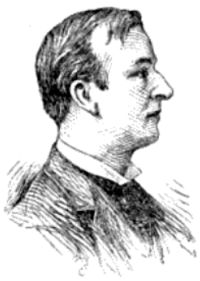
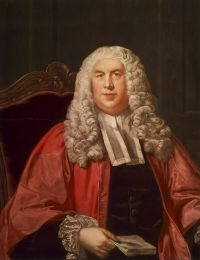
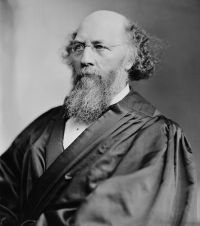
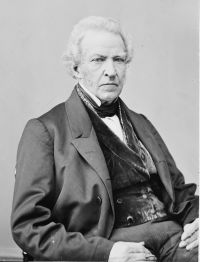
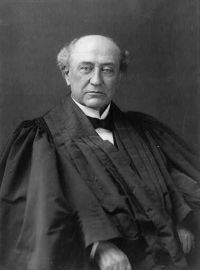
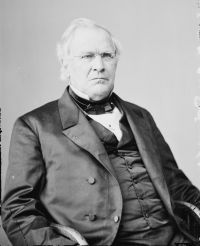
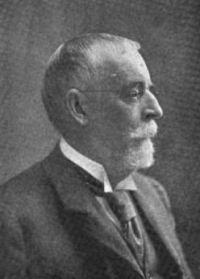
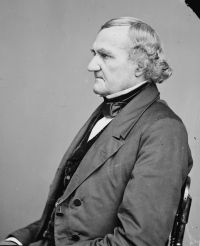
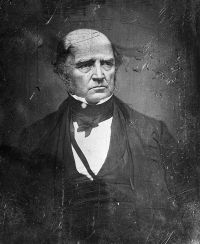
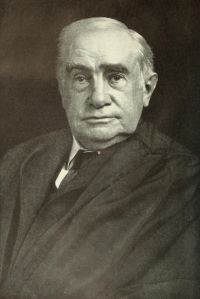
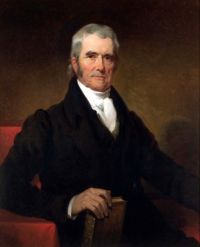
The concept of "title (law)" refers to the legal right to ownership or possession of property, established through formal legal procedures or historical claims. This topic has been examined by numerous legal scholars and judges, who have analyzed its complexities within property law, equity, and constitutional structures. For instance, Edward Douglass White highlighted the constraints of legal title when acquired through unlawful transfer, while Edward Bellamy provocatively challenged the consequences of absolute legal title over global assets.
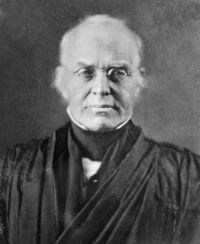
Peter Vivian Daniel outlined the role of legal title in judicial processes, and Edmund Burke referenced "prescription" as a fundamental basis for title grounded in societal order. These differing viewpoints illustrate how legal title functions not only as a technical legal tool but also as a subject of wider ethical and institutional evaluation.