Vernacular language

Definition and stakes

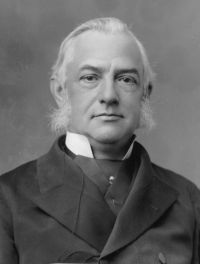
Portrait of George Grote George Grote,  Plato and the Other Companions of Sokrates…

“ It is in this manner that we all acquire, and inevitably so, our first knowledge of our vernacular language. A child learns the meaning of Man, White, &c., by hearing them applied to a number of individual objects, and finding out, by a process of generalisation of which he is but imperfectly conscious, what those different objects have in common. ”
Source: Gutenberg

Claude Victor André Marcel,  Popular Science Monthly (1874)

“ In the vernacular, we pass from hearing to reading. It is spoken language, the first manifestation of our thought, which gives us the key to written language. In the same way, but in an inverse order, those who learn a language in books should often hear the written text, to familiarize themselves with the pronunciation and to recognize the written words in the spoken words. Their progress in understanding the spoken language will be much more rapid, if they comprehend the written language without translating it. ”
Source: Wikisource

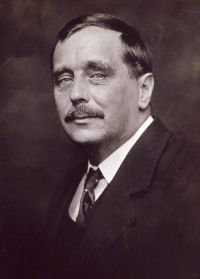
Portrait of H. G. Wells H. G. Wells,  Mankind in the Making

“ In addition to the vernacular teaching, one finds in the schools—at any rate the schools for males—over a large part of the world, a second element, which is always the language of what either is or has been a higher and usually a dominant civilization. Typically, there is a low or imitative vernacular literature or no literature at all, and this second language is the key to all that literature involves—general views, general ideas, science, poetic suggestion and association. ”
Source: Gutenberg

Get perspective with Kwize: daily news enlightened by great literature