Working life

Definition and stakes

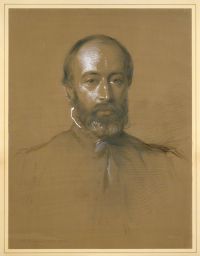
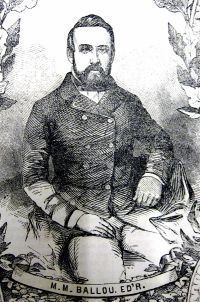
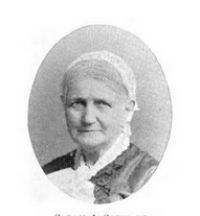
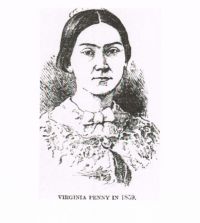
Portrait of Virginia Penny Virginia Penny,  The Employments of Women: A Cyclopædia of Woman's Work

“ The general difference in character and habits of those engaged in various occupations—their comparative morality and intelligence, the effects of a decline in wages, the effects of trades-unions, are all, more or less, involved in this subject of employments; also the opinions of the working classes on machinery and its results. Employments that have for their object the health, comfort, and protection of mankind—those that produce the necessaries and the luxuries of life—those for amusement and capable of being dispensed with—are all treated of to some extent. ”
Source: Gutenberg

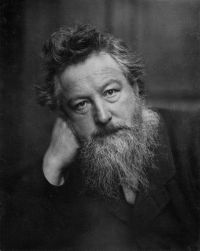
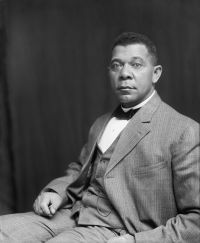
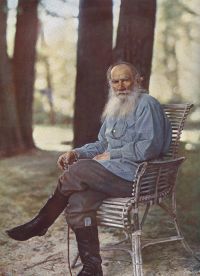
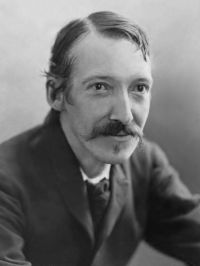
Portrait of Henry David Thoreau Henry David Thoreau,  Life Without Principle (1863)

“ The aim of the laborer should be, not to get his living, to get "a good job," but to perform well a certain work; and, even in a pecuniary sense, it would be economy for a town to pay its laborers so well that they would not feel that they were working for low ends, as for a livelihood merely, but for scientific, or even moral ends. Do not hire a man who does your work for money, but him who does it for love of it. ”
Source: Wikisource

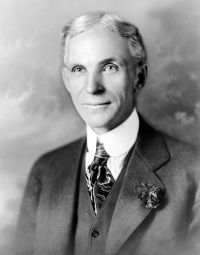
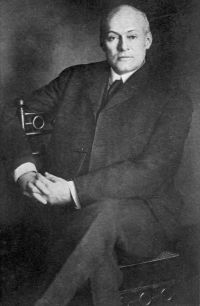
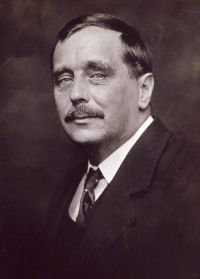
Portrait of Henry Ford Henry Ford,  My Life and Work (1922)

“ The economic fundamental is labour. Labour is the human element which makes the fruitful seasons of the earth useful to men. It is men's labour that makes the harvest what it is. That is the economic fundamental: every one of us is working with material which we did not and could not create, but which was presented to us by Nature. ”
Source: Gutenberg

Get perspective with Kwize: daily news enlightened by great literature