Hindi language

Definition and stakes

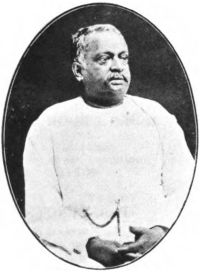
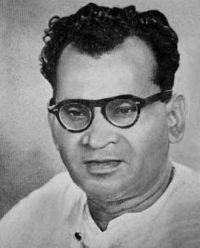
Portrait of Dalip Singh Saund Dalip Singh Saund,  My mother India (1930)

“ From the Congress platform at Amritsar in 1919 Mahatma Gandhi had announced that at all subsequent meetings the business of the Congress would be conducted in the Hindi language, which is spoken by more than a third of the population of the country. Teachers were sent immediately to different parts of the country to instruct the people in the Hindi language and when the Congress convened again in 1920 its business was carried on in Hindi. Delegates from Bengal, Madras, and Bombay made their speeches in Hindi as fluently as those from the United Provinces and the Punjab. ”
Source: Gutenberg

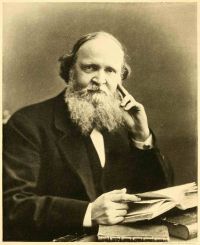
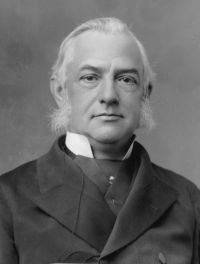
John Beames,  A Comparative Grammar of the Modern Aryan Languages of India Vol 1 (1872)

“ It betrays therefore a radical misunderstanding of the whole bearings of the question, and of the whole science of philology, to speak of Urdu and Hindi as two distinct languages. When certain agitators cry out that the language of the English courts of law in Hindustan should be Hindi and not Urdu, what they mean is that clerks and native writers should be restrained from importing too many Persian and Arabic words into their writings, and should use instead the honest old Sanskrit Tadbhavas with which the Hindi abounds. ”
Source: Wikisource

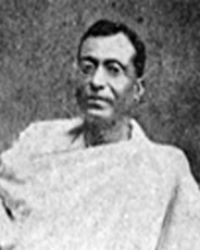
Portrait of Tulsidas Tulsidas,  The Rámáyana of Tulsi Dás (1883)

“ But, on the other hand, the Hindi poem is the best and most trustworthy guide to the popular living faith of the Hindu race at the present day—a matter of not less practical interest than the creed of their remote ancestors—and its language, which in the course of three centuries has contracted a tinge of archaism, is a study of much importance to the philologist, as helping to bridge the chasm between the modern tongue and the medimval. ”
Source: Wikisource

Get perspective with Kwize: daily news enlightened by great literature