Lampridius

Definition and stakes

John Stuart Hay,  The Amazing Emperor Heliogabalus

“ Such a one was bound to be adored; indeed, his lavishness deified him in the eyes of the sovereign people of Rome.
There is one record of wanton waste which Lampridius has laid to his charge, namely, that of sinking laden ships in the harbours in order to show men at what a price he valued his wealth, that it could pay any compensation, could stand any strain. It is a foolish and criminal fault for a statesman to squander the wealth of his country, but an accusation which is still levelled against the statesmen of our own time, and that not infrequently.
”
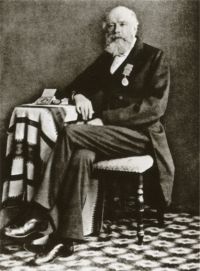
Source: Gutenberg

John Stuart Hay,  The Amazing Emperor Heliogabalus (1911)

“ Antonine's Dealings with Alexander
Lampridius has given us, in his life of Alexander Severus, a mass of undigested information concerning the character and daily life of Mamaea's son. The narrative is as much concerned to prove the virtues of Alexander as it is to represent the degradation of his predecessor. Somehow the panegyric misses fire; Lampridius has produced a spasmodic and unenlightened discourse on trivialities, together with a haphazard essay on his hero's moral qualities.
”
Source: Wikisource

John Stuart Hay,  The Amazing Emperor Heliogabalus (1911)

“ Poor child, he had yet to learn that sycophants are ever to be bought by the highest bidder. Lampridius relates the trouble and increase of difficulty which, by their disloyalty, venality, and unbridled gossip, these men brought upon their benefactor in return for his trust. Fortunately for all parties concerned, they met their deaths (doubtless unwilling victims) along with the master whom they had betrayed. They thought they had secured themselves, but found they would have done better to secure him, which is not an unusual position with traitors. ”
Source: Wikisource

Get perspective with Kwize: daily news enlightened by great literature