Polydorus

Definition and stakes

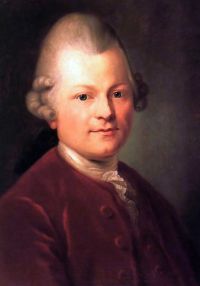
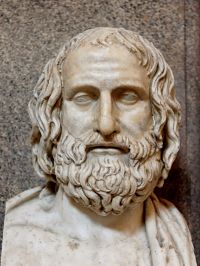
Portrait of Euripides Euripides,  The Tragedies of Euripides — Hecuba (1894)

“ HECUBA.
The phantom of Polydorus appears hovering over the tent
of Agamemnon.
Polydorus.
I come from vaults of death, from gates of darkness,
Where from the Gods aloof doth Hades dwell,
Polydorus, born of Hecuba, Kisseus' child,
And Priam, who, when peril girt the town
Of Phrygians, by the spear of Greece to fall,⁠5
In fear from Troyland privily sent me forth
To Polymestor's halls, his Thracian friend,
Lord of the fair tilth-lands of Chersonese,
Who with the spear rules that horse-loving folk.
”
Source: Wikisource

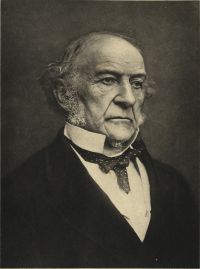
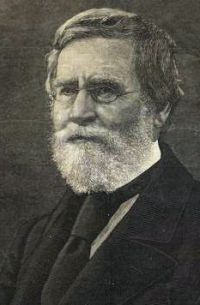
Portrait of Jacob Abbott Jacob Abbott,  Romulus

“ Immediately afterward a voice, in a mournful and sepulchral accent, began to beg him to go away, and cease disturbing the repose of the dead. "What you are tearing and lacerating," said the voice, "is not a tree, but a man. I am Polydorus. I was killed by the king of Thrace, and instead of burial, have been turned into a myrtle growing on the shore."
Story of Polydorus.
Polydorus was a Trojan prince. He was the youngest son of Priam, and had been sent some years before to Thrace, to be brought up in the court of the Thracian king.
”
Source: Gutenberg

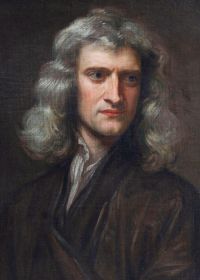
Portrait of Isaac Newton Isaac Newton,  The Chronology of Ancient Kingdoms Amended

“ These Generations cannot well be shorter; and therefore Cadmus, and his son Polydorus, were not younger than we have reckoned them: nor can they be much longer, without making Polydorus too old to be born in Europe, and to be the son of Harmonia the sister of Jasius. Labdacus was therefore born in the end of David's Reign, Laius in the 24th year of Solomon's, and Oedipus in the seventh of Rehoboam's, or thereabout: unless you had rather say, that Polydorus was born at Zidon, before his father came into Europe; but his name Polydorus is in the language of Greece. ”
Source: Gutenberg

Get perspective with Kwize: daily news enlightened by great literature