Reliques of Ancient English Poetry

Definition and stakes

Reliques of Ancient English Poetry…

But this impropriety, it is presumed, will disappear, when it is declared that these poems are presented to your Ladyship, not as labours of art, but as effusions of nature, showing the first efforts of ancient genius, and exhibiting the customs and [Pg 2] opinions of remote ages: of ages that had been almost lost to memory, had not the gallant deeds of your illustrious ancestors preserved them from oblivion.
No active or comprehensive mind can forbear some attention to the reliques of antiquity.
Source: Gutenberg

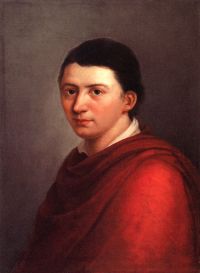
Portrait of F. W. Farrar F. W. Farrar Seekers after God

The memory of every student of English poetry will furnish countless parallels to thoughts like these. How is it that no similar poem could be quoted from the whole range of ancient literature? How is it that to the Greek and Roman poets that morning of life, which should have been so filled with "natural blessedness," seems to have been a blank? How is it that writers so voluminous, so domestic, so affectionate as Cicero, Virgil, and Horace do not make so much as a single allusion to the existence of their own mothers?
Source: Gutenberg

The Legacy of Greece

Greek poetry, we say, is very direct, very simple, very free from irrelevant ornament. And yet when we translate it into English and look at our translation, our main feeling, I think, is that somehow the glory has gone: a thing that was high and lordly has become poor and mean. Any decent Greek scholar when he opens one of his ancient poets feels at once the presence of something lofty and rare—something like the atmosphere of Paradise Lost. But the language of Paradise Lost is elaborately twisted and embellished into loftiness and rarity; the language of the Greek poem is simple and direct.
Source: Gutenberg

Get perspective with Kwize: daily news enlightened by great literature