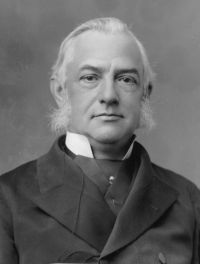
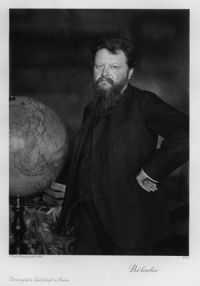
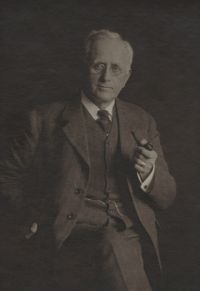
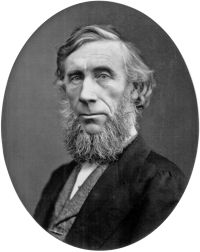
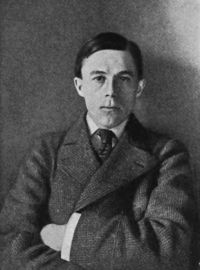
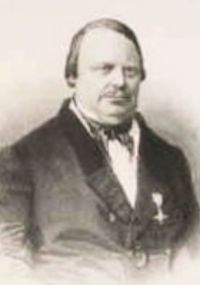
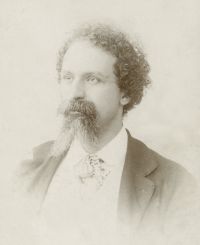
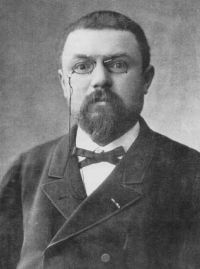
Rudolf Virchow (1821–1902), a German physician, pathologist, and politician, is celebrated as the "father of modern pathology" and a pioneer of social medicine. His work connected science with society, emphasizing that "medicine is a social science, and politics is nothing else but medicine on a large scale." Authors such as James Wood highlighted his dual legacy in science and politics, while Thomas Huxley acknowledged his contributions to ethnology.
Virchow’s cellular theory, encapsulated in Omnis cellula e cellula, transformed biology, yet he clashed with Darwinists like Ernst Haeckel, whom he criticized for advancing unproven hypotheses. His rejection of germ theory and his critiques of racial mysticism further demonstrated his dedication to empirical rigor. Virchow’s impact continues in pathology, public health, and the interdisciplinary effort to promote societal well-being.