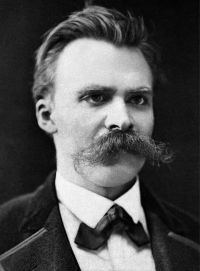
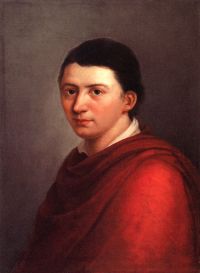
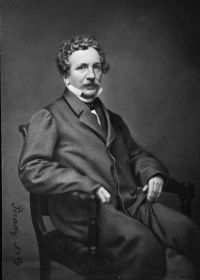
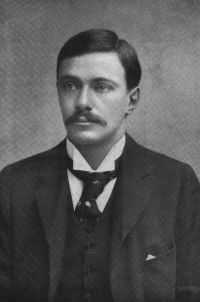
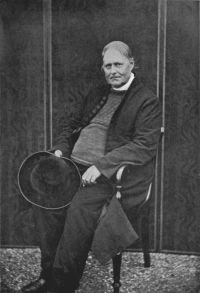
The concept of "Sens," encompassing perception, sensory experience, and the philosophical foundations of awareness, has been examined by thinkers from various traditions. Seneca views sensory sharpness as a means for moral discernment, while Nietzsche connects sensations to the development of values. Gordon Clark argues that humans "sub-create" matter through sensory receptivity, a view that contrasts with Saint Magnus Albertus, who highlights the soul’s transcendence beyond sensory constraints.
Leonardo da Vinci describes the senses as "ministers of the soul," and Swedenborg challenges the excessive focus on the material. Together, these perspectives demonstrate how "Sens" connects empirical experience with metaphysical exploration, revealing its function as both a portal to the world and a limit to the unknown.