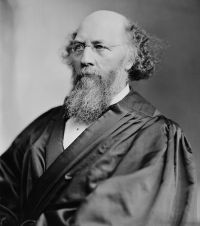
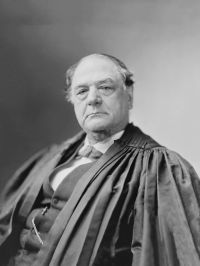
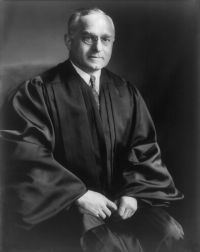
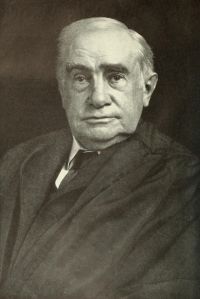
A legal entity refers to a recognized juridical being, able to hold rights and duties under the law. This concept has been examined from various angles: John Archibald Campbell raised questions about whether corporations, as "artificial persons," could claim citizenship, while Henry James Sumner Maine studied how legal distinctions influenced property rights.
L. Paul Bremer detailed the abilities of political entities to possess property and enter into contracts, and William O. Douglas highlighted the distinction between legal ownership and actual control. These viewpoints illustrate the conflict between abstract legal notions and their real-world effects in governance, commerce, and legal theory.
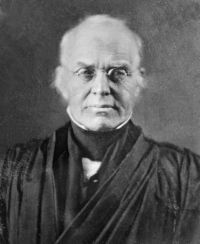 Joseph Story,
The Town of Pawlet v. Daniel Clark…
Joseph Story,
The Town of Pawlet v. Daniel Clark…