Lycanthropy

Definition and stakes

J. C. Lawson Modern Greek Folklore and Ancient Greek Religion…

The idea of lycanthropy has probably been familiar to the peasants of Greece continuously from the earliest ages down to the present day, either surviving traditionally like so many other beliefs, or possibly stimulated by actual experiences; for lycanthropy is not a mere figment of the imagination, but is a very real and terrible form of madness, under the influence of which the sufferer believes himself transformed (and by dress or lack of it tries to transfigure himself) into a wolf or other wild animal, and in that state develops and satisfies a craving for human flesh.
Source: Gutenberg

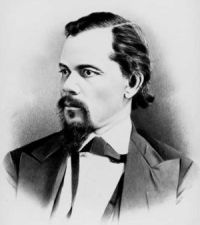
Portrait of Walter Scott Walter Scott Letters on Demonology and Witchcraft

The more incredulous reasoners would not allow of a real transformation, whether with or without the enchanted hide of a wolf, which in some cases was supposed to aid the metamorphosis, and contended that lycanthropy only subsisted as a woful species of disease, a melancholy state of mind, broken with occasional fits of insanity, in which the patient imagined that he committed the ravages of which he was accused.
Source: Gutenberg

Portrait of Sabine Baring-Gould Sabine Baring-Gould The Book of Were-Wolves (1865)

It was not till the close of the Middle Ages that lycanthropy was recognized as a disease; but it is one which has so much that is ghastly and revolting in its form, and it is so remote from all our ordinary experience, that it is not surprising that the casual observer should leave the consideration of it, as a subject isolated and perplexing, and be disposed to regard as a myth that which the feared investigation might prove a reality.
Source: Wikisource

Get perspective with Kwize: daily news enlightened by great literature