Märchen

Definition and stakes

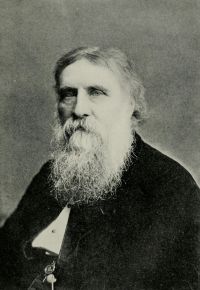
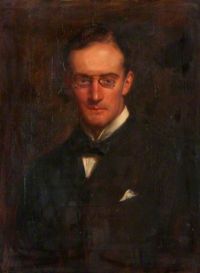
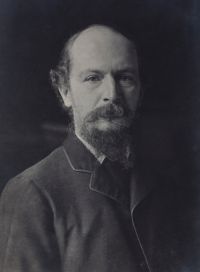
Portrait of Wilhelm Max Wundt Wilhelm Max Wundt,  Elements of Folk Psychology

“ But in the midst of this märchen-world stands the absolutely human hero, contrasting with whom the fabulous events of the narrative run their course as a fantastic show. The hero overcomes all obstacles that block the course of his journey by his own never-failing shrewdness and resourcefulness. Herein again the märchen-myth gives evidence of being preparatory to the hero saga. At the time when the hero ideal arose, the old märchen ideas were as yet everywhere current. Together with the belief in demons and magic, they, also, found their way into the heroic age. ”
Source: Gutenberg

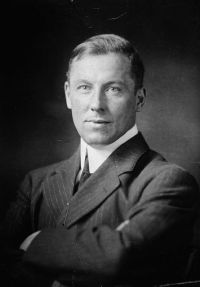
Portrait of Joseph Jacobs Joseph Jacobs,  More English Fairy Tales (1922)

“ Of these, thirty-eight are märchen proper, i.e., tales with definite plot and evolution; ten are sagas or legends locating romantic stories in definite localities; no less than nineteen are drolls or comic anecdotes; four are cumulative stories; six beast tales; while ten are merely ingenious nonsense tales put together in such a form as to amuse children. ”
Source: Wikisource

Portrait of Wilhelm Max Wundt Wilhelm Max Wundt,  Elements of Folk Psychology

“ Thus, even at a very early age, we find that two types of hero appear side by side—the strong and the clever. These types, portrayed by the märchen, survive also in the heroes of the epic. Moreover, in addition to the strong and the clever, the Achilles and the Ulysses, the märchen introduces also the malevolent, quarrelsome, and despicable hero, the Thersites. ”
Source: Gutenberg

Get perspective with Kwize: daily news enlightened by great literature