The origin of life, a topic encompassing science, philosophy, and mythology, examines how living organisms arose from non-living material through processes such as abiogenesis. Scientific theories propose a step-by-step transformation involving the formation of organic compounds, self-replication, and the development of cellular structures, although direct observation remains challenging.
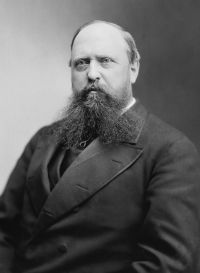
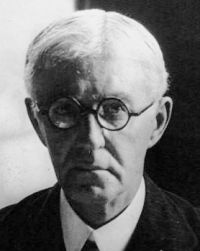
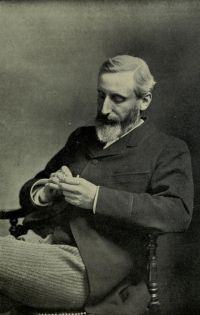
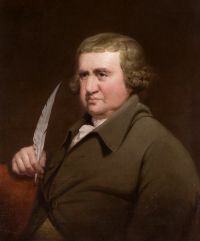
Scholars like Chauncey Giles situated the emergence of life within creationist beliefs, whereas Darwin dismissed speculative ideas as "rubbish," highlighting the role of natural selection after life had already begun. W. H. Dallinger doubted whether life could originate from non-living matter, illustrating the ongoing controversy. Contemporary studies, ranging from the RNA world hypothesis to the Miller-Urey experiment, aim to clarify this mystery, connecting chemistry and biology to explain how life arose from Earth's early conditions.