Pattern (design)

Definition and stakes

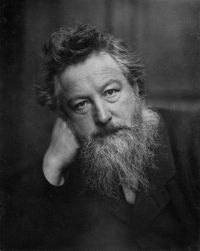
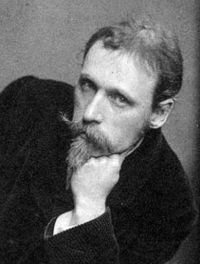
Portrait of Walter Crane Walter Crane,  The Bases of Design

“ In the primitive ornament of all peoples we find the same or similar typical forms constantly recurring, the germs of pattern design afterwards developed, complicated, and refined upon: the chequer, the zigzag, the fret, the circle, the spiral volute, the twisting scroll—can we ascribe their invention to any individual mind or hand? Can the mechanician tell us who were the inventors of the wheel, the lever, the mode of producing fire, the canoe, the paddle, the spade, the plough, the vessel of clay, the axe, the hammer, the needle, or even spinning and weaving? ”
Source: Gutenberg

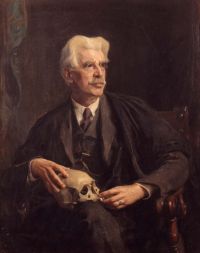
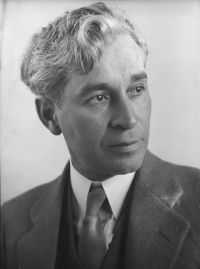
Portrait of Pedro J. Lemos Pedro J. Lemos,  Color Cement Handicraft

“ The most deplorable forms applied to pottery or other handicrafts are those that have been made with no thought of the surface influence upon the pattern designed. The designer should refer to nature only as a reference from which inspiration is received for motifs to be used. In every instance the forms in nature should be interpreted into design and so transposed that they beautify the surface irrespective to resemblance to the natural source. Nature uses patterns in all her kingdoms correctly. ”
Source: Gutenberg

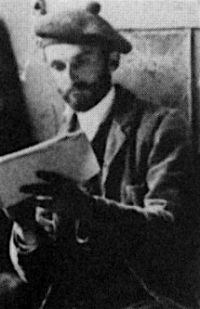
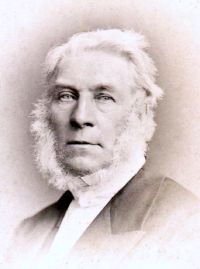
T. F. Bell,  Jacquard Weaving and Designing

“ With them it is difficult to obtain that intermingling of colours, be they bright or dull, that produces a neutral bloom and a satisfactory result. Another important point in a pattern, and often overlooked, or not understood, is that, unless the pattern, as a whole, is satisfactory, no variety or beauty of detail can make it a good design. The general character or lines of the pattern must first be made satisfactory, after which the detail may be made as interesting as possible, provided it does not injure the general effect, and is not incongruous to the nature of the design. ”
Source: Gutenberg

Get perspective with Kwize: daily news enlightened by great literature