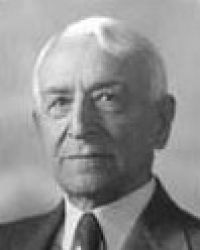
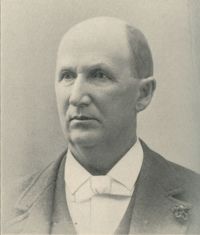
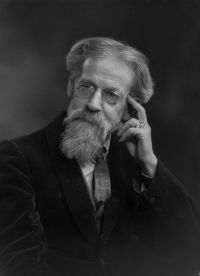
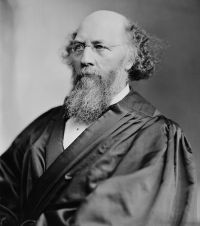
Public ownership refers to the governance of assets by the state on behalf of the populace, emphasizing shared stewardship over private interests. This concept has been examined by scholars such as Joseph J. Mereto, who framed it as a democratic necessity for fair resource management, and Frank A. Fetter, who highlighted its intricate relationship with business and political ethics.
Franklin K. Lane contrasted public ownership’s dependence on collective vision with private ownership’s self-serving motives, while Franklin Parsons emphasized its potential to prioritize community service over profit. These viewpoints collectively reveal a tension between effectiveness, fairness, and the changing role of governance in shaping economic systems.